Raising Grateful, Grounded Kids: How to Stop Entitled Behavior Before It Takes Root
Entitlement sneaks up on even the most intentional families. Here are the practical, research-backed strategies that actually shift the pattern — and raise kids who appreciate what they have.
Your child has barely unwrapped one birthday gift before they are scanning the pile for something better. They argue with every limit you set. They say "that is not fair" with absolute conviction — often about things that are entirely fair. And on some days, nothing you do seems to be enough.
If any of that sounds familiar, you are not raising a bad kid. You are raising a normal child in a world that is very good at creating entitlement — and you are asking exactly the right question: how do I turn this around?
Entitled behavior is not a character flaw. It is a pattern — one that forms gradually through a mix of well-meaning parenting choices, cultural pressure, and the simple fact that children are wired to push for more. The encouraging news is that patterns can change. This post walks you through why entitlement develops, how to recognize it early, and — most importantly — the concrete strategies that help redirect it toward gratitude, responsibility, and resilience.
Before we can address it, it helps to name it clearly. Entitlement is not just a child who throws a tantrum. It shows up in subtler ways too:
Expecting rewards or praise for ordinary tasks ("You should thank me for setting the table")
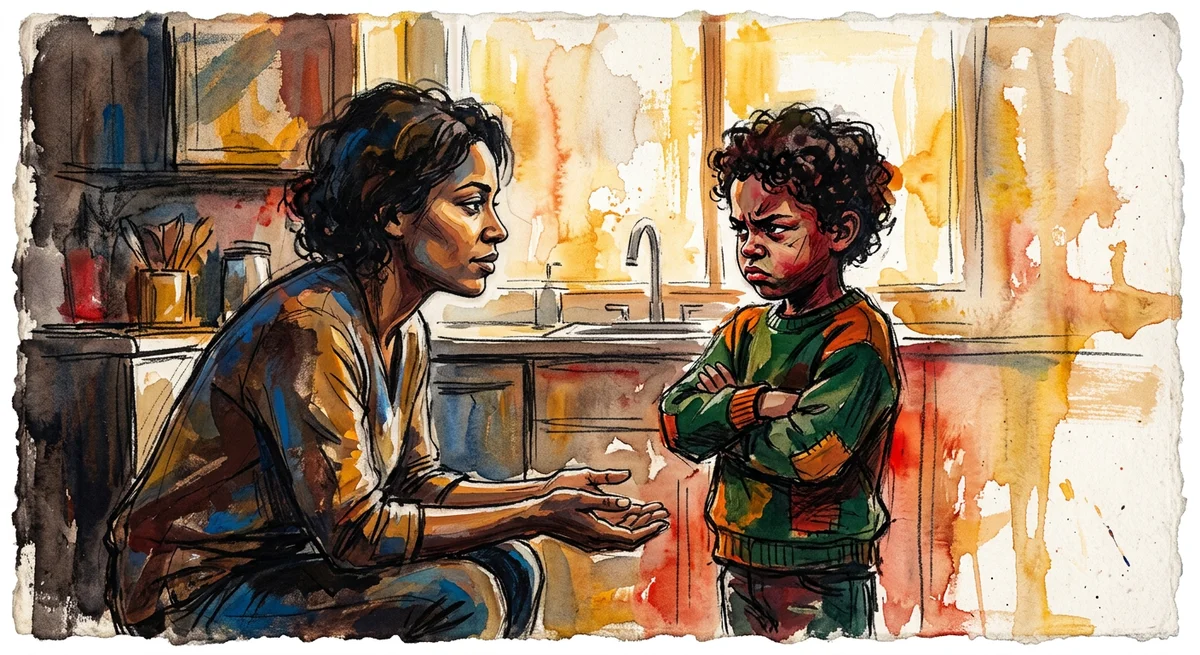
Difficulty tolerating the word "no" without escalating
Comparing what they have to peers constantly and always feeling short-changed
Low tolerance for waiting, disappointment, or things not going their way
Little awareness of — or interest in — the effort behind things they receive
One thing worth noting: some of these behaviors are developmentally normal at certain ages. A four-year-old who thinks the world revolves around them is operating exactly as four-year-olds do. The concern is when these patterns persist and deepen through the school years, becoming a default way of relating to the world.
Children who are raised with a sense of entitlement often struggle more — not less — as they grow up. They find it harder to cope with setbacks and harder to build genuine relationships. The research is clear: what helps kids thrive is contribution, not consumption.
Parenting with love and generosity does not cause entitlement. But a few specific patterns can tip the balance — and most come from a good place.
Over-rescuing. When parents consistently step in to smooth every difficulty, children miss the experience of solving problems themselves. They learn, without anyone intending it, that discomfort is not their problem to manage.
Praise inflation. Telling children they are exceptional, brilliant, and amazing for everyday things feels kind. But it sets up an expectation of constant recognition — and can make ordinary effort feel beneath them.
Saying yes too often to avoid conflict. This one is painfully relatable. When you are tired, or the argument feels not worth having, caving is understandable. But consistent caving teaches children that persistence — not respect — gets results.
Shielding children from contribution. Homes where children are not expected to help out — with chores, with caring for younger siblings, with the ordinary logistics of family life — miss a key opportunity to build a sense of shared responsibility.
The comparison trap. Screens serve children a constant stream of other children's lives, toys, experiences, and apparent freedoms. This fuels a persistent "but everyone else has it" mindset that parents are increasingly up against.
One of the most powerful things you can do is resist the urge to fix disappointment immediately.
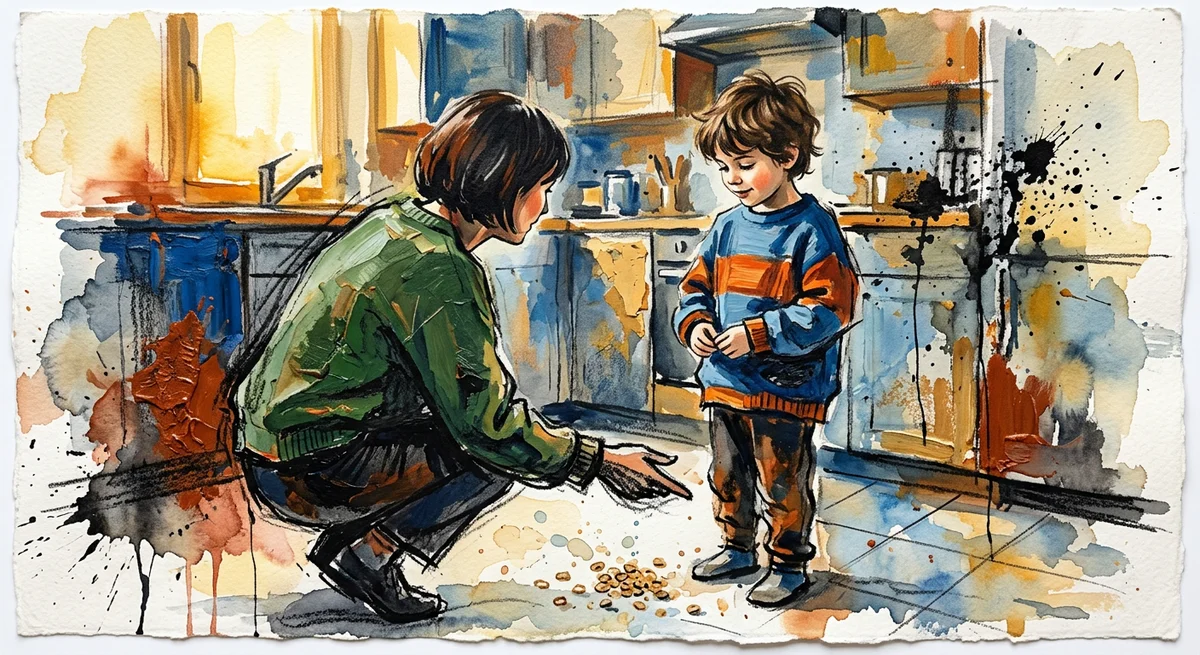
When your child does not get the part in the school play, when a friend cancels, when a toy breaks — these are not emergencies. They are training grounds. Children who learn to sit with disappointment and move through it develop something entitlement actively erodes: emotional resilience.
This does not mean being cold. Acknowledge the feeling first: "I know that is really disappointing — I get it." Then hold the line. Do not rush to make it better by buying something, or by calling the school, or by promising something bigger next time.
The goal is not to teach children that disappointment does not matter. It is to teach them that it is survivable — and that they are capable of getting through it.
Children who feel like genuine contributors to family life are far less likely to behave like passive consumers of it.
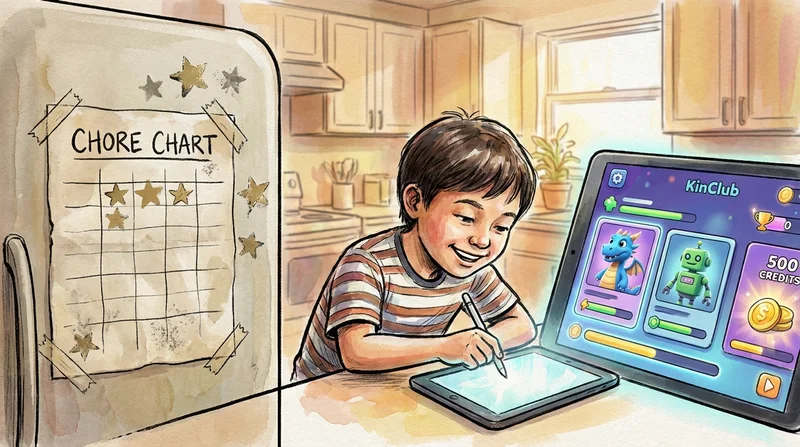
This means chores — real ones, not token gestures. Age-appropriate tasks that matter: cooking a simple meal, taking out the bins, helping a younger sibling get ready. Not because they earn screen time, but because this is what families do together.
The language matters here. Instead of "I need you to do this for me," try "In our family, everyone pitches in." It shifts the frame from compliance to identity. You are not asking them to be an employee. You are inviting them into a shared way of life.
On KinClub: The Family Calendar lets every member of your family view and add shared events — it is a great tool for building routine around family responsibilities and making sure kids see their contributions as part of the weekly rhythm of family life. Try it at kin-club.com
"No" is not a punishment. It is a complete sentence, and one of the most important ones in a parent's toolkit.
Children who rarely hear "no" — or who hear it but learn it can be negotiated away — never develop the tolerance for limits that adult life will demand of them. Every time you hold a "no" calmly and consistently, you are teaching your child something important: that the world does not always bend to what they want, and that is okay.
A few principles for making "no" stick:
Decide before they ask. Having a general framework ("We do not buy things at the checkout" or "One new toy per school term") means you are not making emotional decisions on the spot.
Acknowledge the want without caving to it. "I hear you — you really want that. We are not buying it today."
Do not over-explain. Long justifications invite negotiation. A warm, brief, final answer is more effective.
Follow through every time. Inconsistency is the biggest drain on a "no." If it works sometimes, children learn to push harder every time.
"Say thank you" is the floor, not the ceiling. Real gratitude is less a feeling than a habit of attention — a learned way of noticing and naming what is good.
Families who build this intentionally tend to do a few things differently:
A daily gratitude ritual — dinner table sharing, a journal, even a quick before-bed question like what was the best part of today
Writing thank-you notes by hand — slowing down to name specifically what someone did and how it helped
Volunteering as a family — exposure to different life circumstances builds perspective nothing else quite can
Modeling out loud — parents who say what they are grateful for raise children who notice more too
Delaying gratification regularly — waiting builds appreciation. Children who always get things immediately never feel the satisfaction of having waited for something
Gratitude does not happen by accident. It is practiced, and practice makes it real.
Entitlement thrives when children feel that good things should just arrive. It weakens when they experience the link between effort, patience, and reward.
Some ways to build this connection:
Let them earn things they want. Not everything — but some things. If they want a specific toy or experience, help them work toward it: saving pocket money, completing a project, contributing to the family in a specific way.
Give specific praise for effort, not outcome. "I noticed you kept working on that even when it was hard" does more than "You are so smart." It ties their sense of capability to something they actually control.
Let natural consequences land. If they did not prepare for something, do not over-rescue them from the result. These moments — handled with warmth rather than "I told you so" — are among the most effective teachers available.
Entitlement often finds its foothold in the gap between two parenting styles. One parent holds the line; the other caves. Children are extraordinarily perceptive — they learn quickly which approach gets results, and they use it.
Consistency does not mean identical parenting. It means agreeing on the non-negotiables and backing each other in front of the children, even if you disagree about the detail later in private.
On KinClub: KinClub now makes it easier to add a co-parent or second adult to your family account, so both parents share the same view of routines, responsibilities, and family settings. When both parents are working from the same page, consistent follow-through becomes a lot more achievable. Set it up at kin-club.com
Children notice everything. They notice when you complain about a meal at a restaurant. They notice when you express frustration because something did not go your way. They notice whether you say thank you to people who serve you.
You do not have to be perfect. But being intentional about what you model goes a long way:
Thank people — genuinely, specifically — in front of your children
Talk about what you are grateful for, not just what you are annoyed by
Show them how you handle disappointment: "That is really frustrating. Let me think about what to do next."
Let them see you helping without being asked
Children absorb far more from what they observe than from what they are told.
The videos below offer some of the best practical guidance on this topic — honest, research-informed, and genuinely useful for parents working through this.
Raising a child who is genuinely grateful, resilient, and aware of others is a long game. There will be days where everything you try seems to bounce off. There will be moments where you cave because you are exhausted and it is the path of least resistance — and that is human.
What matters more than perfection is direction. Are you, on balance, holding limits with warmth? Are you making space for your child to contribute, to wait, to be disappointed and recover? Are you modeling the gratitude and effort you want to see?
If the answer is mostly yes, you are already doing the work. These things take time. But they do take root — and when they do, the difference is profound.
KinClub is built for families who are trying to do this thoughtfully together. Whether you are coordinating routines, building shared rituals, or just staying connected — kin-club.com is a good place to start.
We're passionate about helping families find a healthy balance with technology. Our team creates content on healthy screen time, educational tech, and building strong family connections in the digital age.