
The Routine Worked Last Year. Why Is It a Fight Now?
Why kids push back on routines they used to accept, and how to rebuild with connection instead of enforcement.
Read More
routines
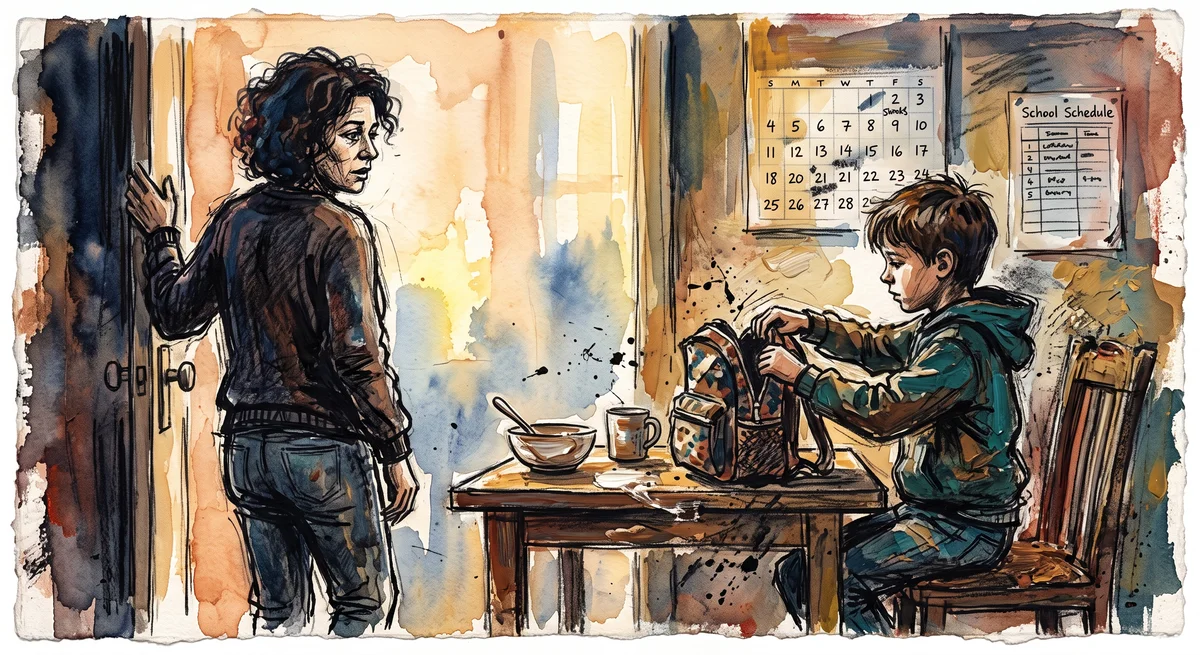
Three weeks into the school year the adrenaline is gone and you can finally see which routines are real. Here is why families keep restarting instead of building, and how to make one habit stick this month.
By the first week of September the novelty has gone. The pencil case is already scuffed, nobody cares about the bus anymore, and your mornings have settled into whatever they were always going to be. That makes this the most useful week of the year to look honestly at what is holding and what is not.
The first fortnight runs on adrenaline. Everyone is trying, you included. Then the effort runs out and what is left is whatever can run without it. That part is your actual routine.
Most of us find out at this point that we do not have one. We have a nightly negotiation. The bag gets packed at a different time every evening. Homework lands before dinner, or after dinner, or at 8:40 in a panic while someone hunts for a glue stick. Screens go off at whatever hour matches how much fight you have left. Every one of those is a decision, and you are making it again from scratch every day, tired, at the worst hour on the clock.
A routine clicks when the decision is already made. Kids stop asking when because the answer stopped moving.
Worth sitting with for a minute: think back over last week and name the parts of the day that needed no conversation at all. Shoes by the door, maybe. The snack. That short list is your real routine, and it is usually shorter than we assume. Everything else is a negotiation you pay for daily, which is why the tiredness never quite matches the size of the tasks.
That list does grow. It only grows if you stop wiping it.
On average it took 66 days for a new daily behaviour to become automatic, and missing a single day made no measurable difference to the outcome.
The September instinct is to build something beautiful. New chart, new bedtime, new rules about screens, all in one go. A fortnight later it caves in and you decide your family is hopeless at routines. Your family is fine. The system was just too big to repeat on an ordinary Wednesday.
If starting small feels too small to matter, KinClub's Family Quest works on exactly that logic: a board of little steps for the whole family with rewards that unlock in stages, so the progress comes from repeating things rather than from one big setup day.
That last point is where families quietly stall. When the week only exists in one parent's memory, every handoff turns into a conversation, and every conversation is another chance for the plan to shift.
The routines that stick are almost never the impressive ones. They are the dull little ones that survived a bad Tuesday and got repeated anyway. Pick one this week and let it get boring.
Why kids push back on routines they used to accept, and how to rebuild with connection instead of enforcement.
How to spot the after school window and start using it on purpose.

Practical strategies for homework routines that hold up and motivation that comes from inside.