
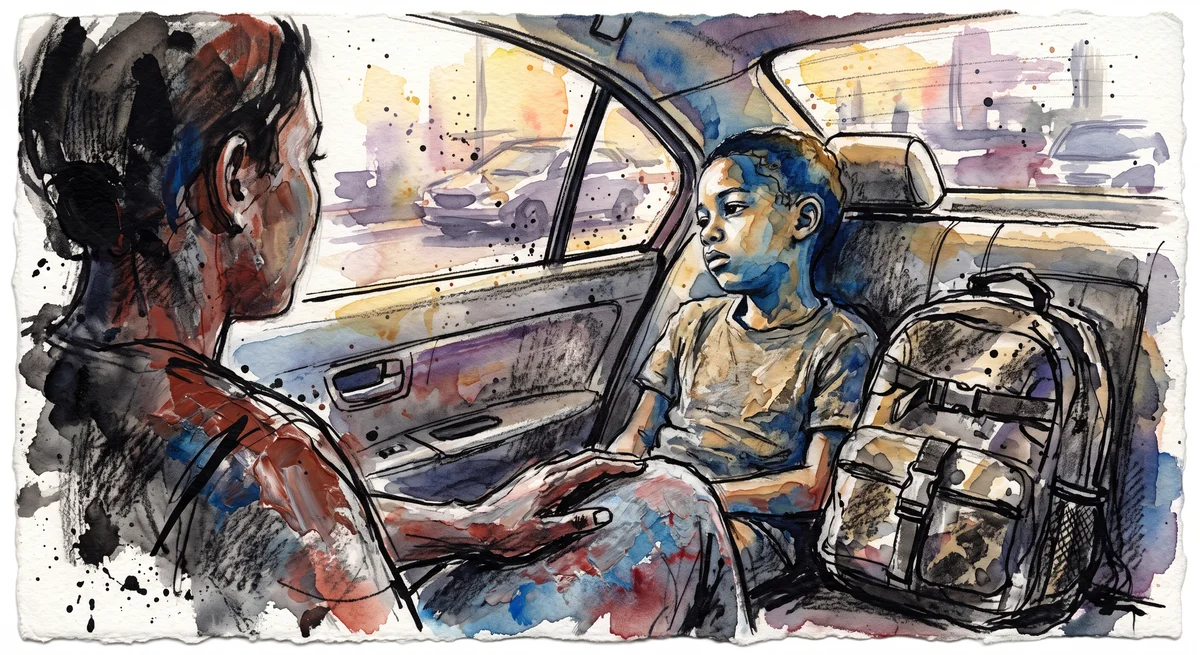
School Was Fine. Then They Fell Apart in the Car.
Why the first week back is harder than the first day, and why connection beats a perfect routine right now.
Read More
back to school
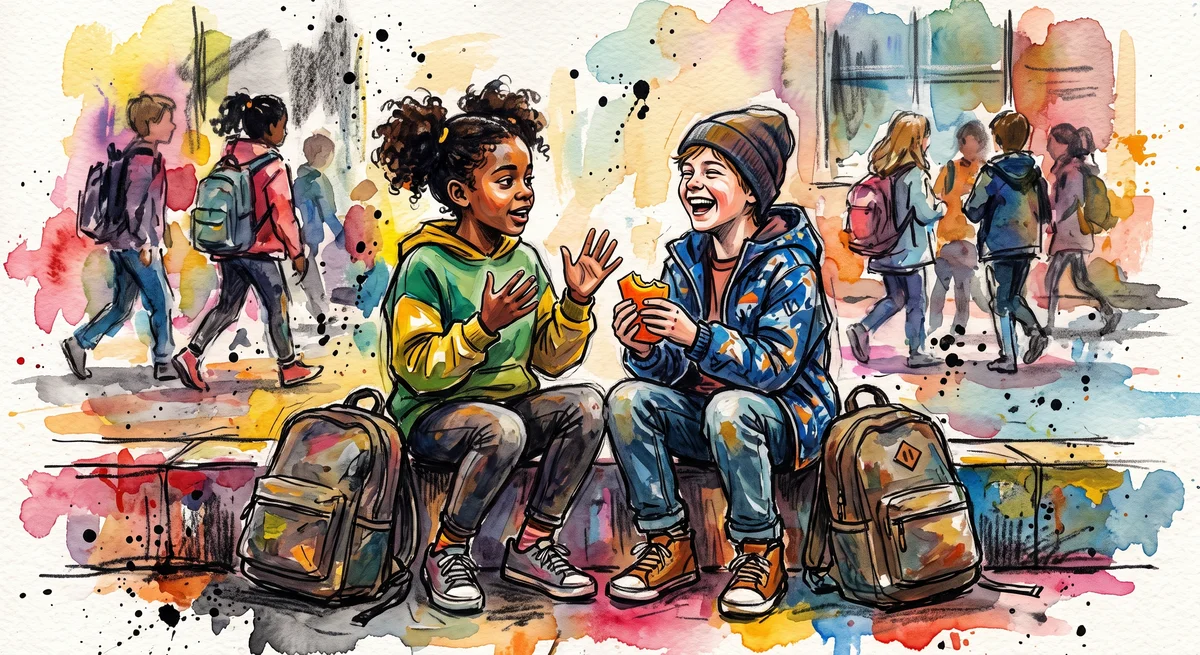
The first weeks of school churn friend groups, and the worry that comes with it is normal. Here is why new friendships count as a real milestone for kids 6 to 12, and how to support the skill without hovering.
Three weeks into the school year and you have asked the same question at dinner more times than you meant to. Who did you sit with at lunch? The answer keeps changing, or it comes back as a shrug. That worry is worth listening to, because it is pointing at something we almost never count as a milestone. Your child is learning how to make a friend.
We write down first steps. We keep the reading level, the report card, the certificate from the spelling bee. Almost nobody writes down the week their kid finally had someone to sit with at lunch.
Somewhere between six and twelve, friendship stops being about who happens to be nearby and starts being about who they choose. Kids this age are learning to read a tone of voice, argue about rules without blowing up the game, apologise, and work out who they are when no adult is in the room. That is real developmental work, not something that happens automatically while the important stuff goes on in the classroom.
What catches most parents off guard is how much the early weeks churn. The friend group from June rarely survives a new class list. Your child might sit at three different tables before October, and none of that means something is wrong with them. It means the sorting is still going.
I stopped asking my daughter if she had made friends yet. I started asking who she sat next to. That one change got me two years of information I had been missing.
So the worry is fine. It just does more good pointed at whether your kid has one person than at whether they have a best friend yet.
Most friendship coaching lands badly because it happens at the dinner table, hours late, in the form of advice. Kids learn this the way they learn a sport. Low stakes, lots of repetition, not much adult narration.
Put them in front of the same kids over and over. Same club, same practice, same couple of families. Familiarity does more than any advice you could hand them at bedtime. And when you host, keep it short. Long open-ended playdates tend to fall apart in ways that put everyone off trying again.
The repair piece is where I see parents lose the most ground. When your child comes home stung because someone sat somewhere else, the instinct is to fix it, or to say that friend was never worth it anyway. Both end the conversation. Asking what they think happened, and what they might try tomorrow, leaves the problem with them and gives them something to practise on Monday.
Following through is the other half of it. Most invitations die because nobody remembers to message the other parent on Tuesday, which is exactly the kind of thing KinClub shared to-dos and reminders was built to catch.
The academics mostly sort themselves out over the years. The kid who can walk up to someone and start a conversation keeps that for life. So when a new name comes up twice in one week, say something about it out loud. They are counting on you to notice.
Why the first week back is harder than the first day, and why connection beats a perfect routine right now.
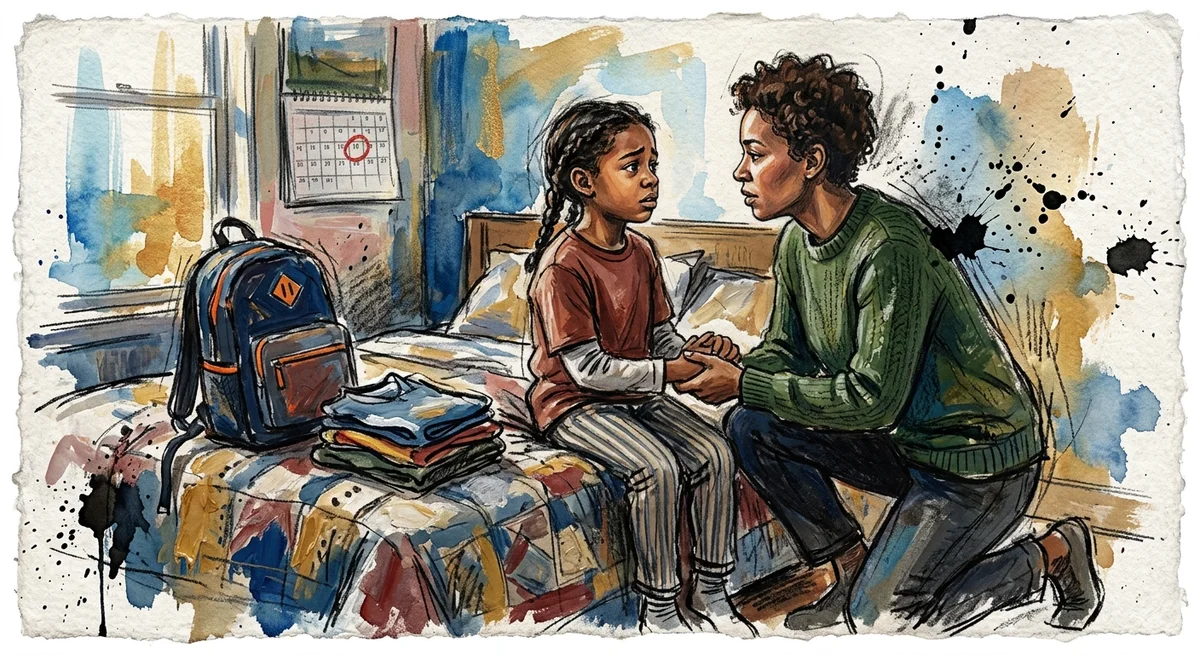
The emotional side of going back to school needs its own spot on the prep list.
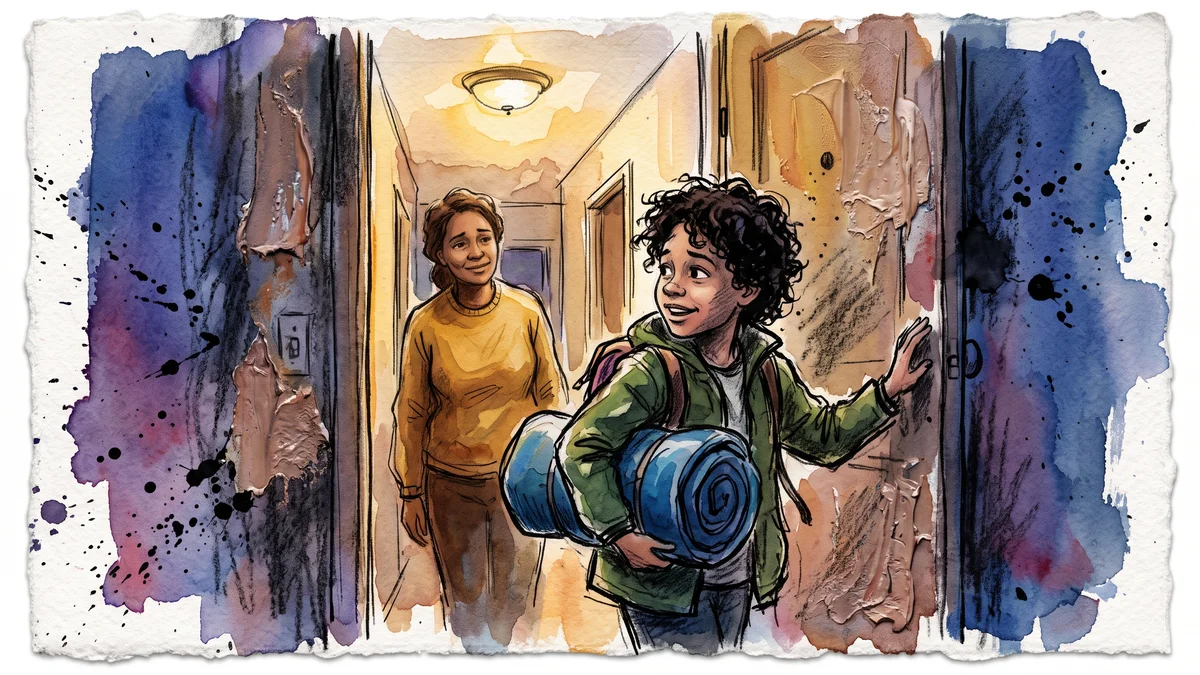
How to prep your child for the first night away and stay connected without hovering.