
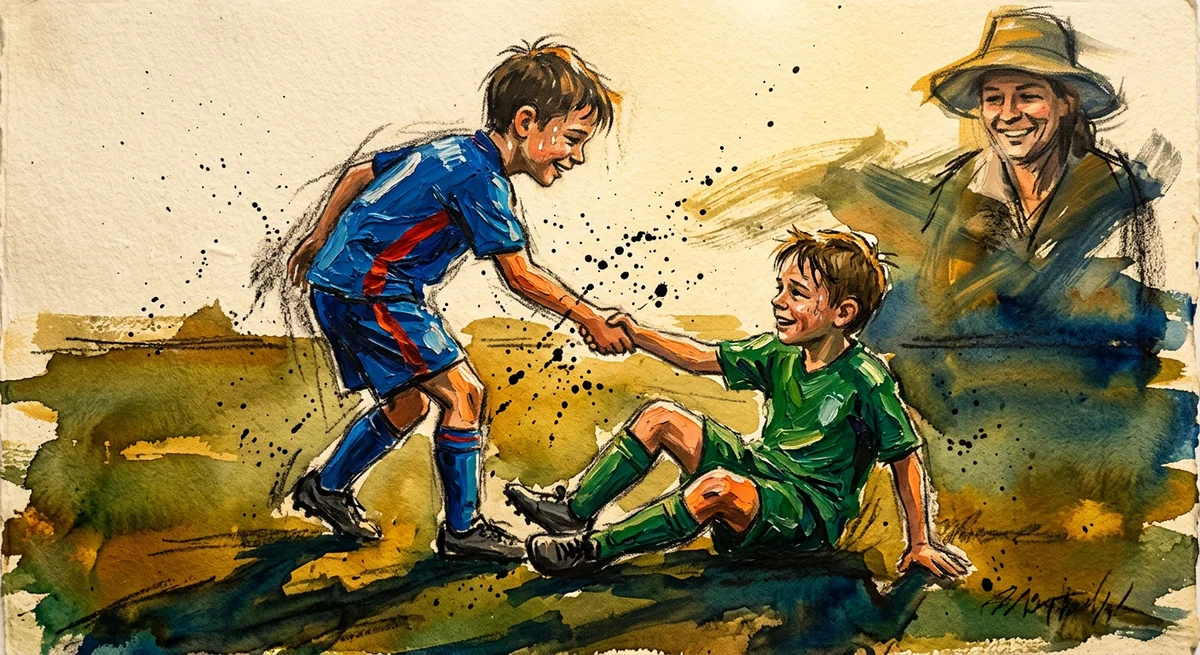
Raising Good Sports: Helping Kids Handle Winning and Losing
How to raise children who compete with grace, handle setbacks, and celebrate others.
Read More
parentingcharacter
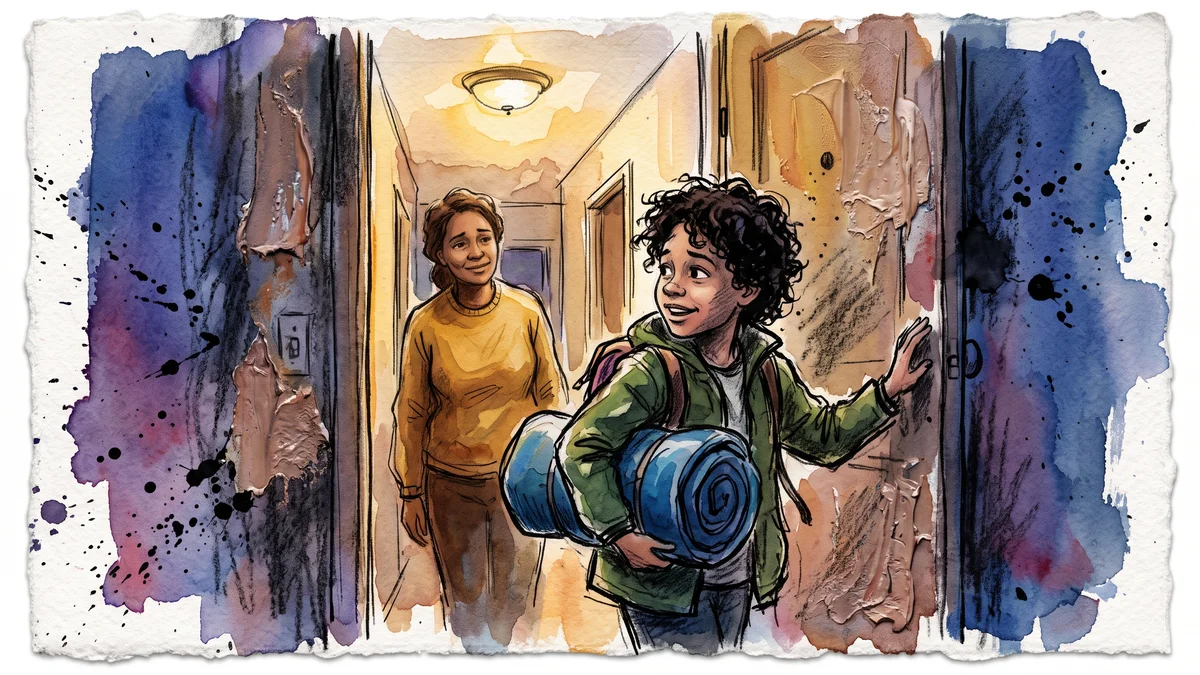
The first night away is a real milestone for kids aged 8 to 12, and mostly a test for parents. Here is how to prep your child, ride out the homesick middle, and stay connected without hovering.
Somewhere between eight and twelve, your child packs a bag for their first sleepover. It looks like nothing on the calendar and feels like a lot in your chest. It really is a developmental milestone, not so different from the first day of school, and it deserves the same weight.
We make a fuss over the milestones that photograph well. First steps, first words, the first wobbly bike ride with nobody holding the seat. The first night away is harder to mark, partly because it is mostly about you and not just your child growing up.
A sleepover asks a lot of a kid. They have to settle down in a house that is not theirs, get themselves to bed, ride out the wave of missing home that tends to arrive around nine, and remember their own toothbrush. None of that gets learned with a parent in the room, which is exactly the point. The invitations tend to pile up in summer, when families are around each other more and friendships get room to grow over long empty afternoons. That timing is a gift. It works like a gentle on-ramp to being independent.
Your role changes here too. You stop being the manager and become more of a consultant. You get someone ready, and then you trust them to do the actual thing.
The pull is to control everything within reach. Text the host parent a few times. Pack for every disaster you can picture. Here is what tends to work better instead.
Forgetting pajamas once teaches more than a flawless suitcase ever could. Knowing the door is unlocked is often the very thing that lets a nervous kid stay all night.
Some kids breeze through the whole night. Others hit a wall around nine. Both are completely normal. A child who calls to come home has not failed, and neither have you. You can keep the plan you made and still open your arms wide when they walk back through the door. Another invitation will come, and what stays with them is the memory of a parent who held steady.
Children develop confidence not when parents remove every obstacle, but when they are allowed to face small, manageable challenges and discover they can handle them.
A couple of short watches on raising capable, independent kids and building the kind of family rhythm that makes letting go feel a little easier.
Your child heading out the door with a sleeping bag under one arm is not you losing them. It is you handing back a little more of themselves. Stay close, stay calm, and let them go.
How to raise children who compete with grace, handle setbacks, and celebrate others.
Why consequences beat punishment for raising resilient, self-aware kids.

Why small daily moments beat the big monthly video call.