
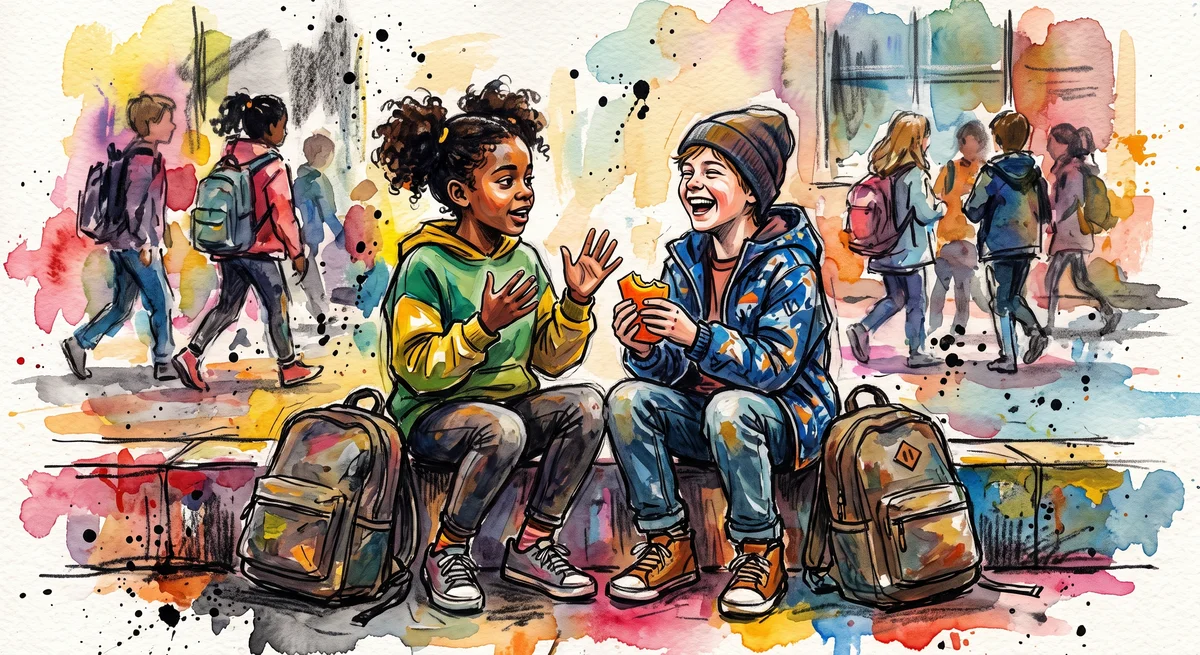
Nobody Charts the Day Your Kid Makes a Friend. Maybe We Should.
Why new friendships count as a real milestone for kids 6 to 12, and how to support the skill without hovering.
Read More
friendship
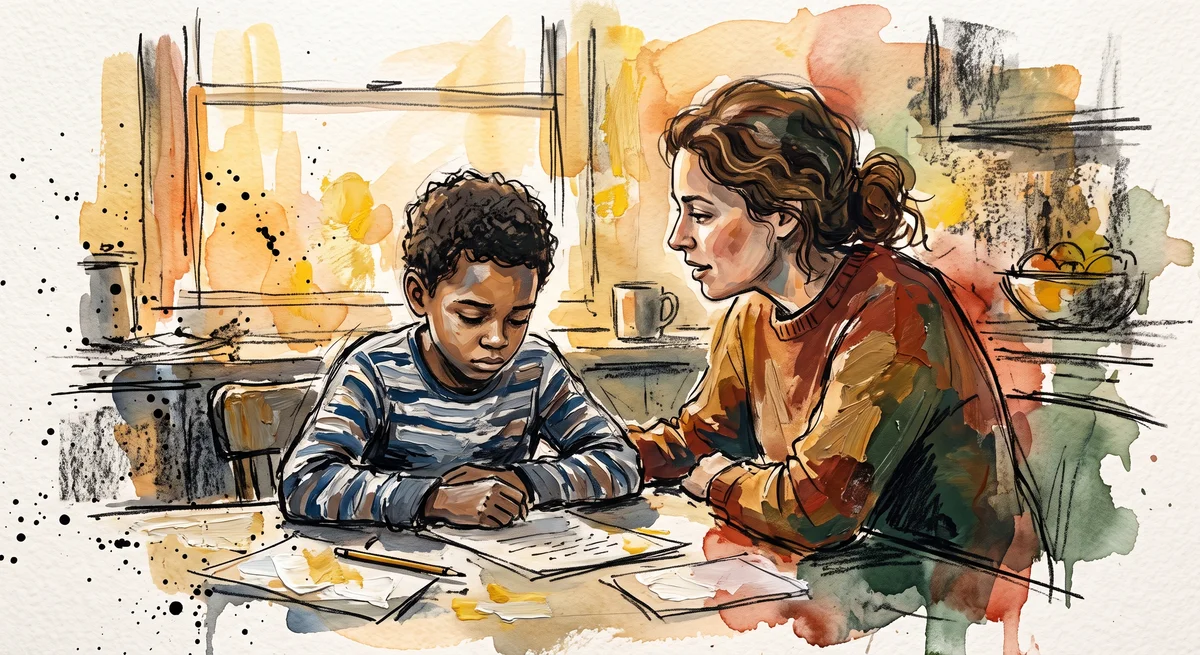
Three weeks into the school year, confidence dips are common in kids 7 to 12 and most of them happen somewhere you cannot see. Here is what the September slide actually looks like, and how to rebuild it through everyday interaction rather than reassurance.
Three weeks into the school year and something has gone quiet at your house. Your child is not upset, exactly. They are just a bit smaller than they were in August, and you cannot point at the thing that did it. Worth paying attention to. Confidence almost never falls over in a way you can watch happen.
Somewhere around seven, kids pick up a skill nobody warns you about. They start measuring themselves against the other children in the room, and they get accurate about it. A six-year-old will tell you with total sincerity that they are the fastest runner in the school. A nine-year-old knows exactly where they sit in the class for reading, and who gets picked first at break, and whether either of those is heading the wrong way.
Mid-September is when the measuring starts again from scratch. New teacher, new seat, a class list that got shuffled over the summer, and work that quietly got harder. Every child in that room is working out where they rank now. Some of them come out lower than they did in June.
You miss it because confidence is not one single thing your child either has or does not have. It runs separately in each part of their life. Yours can be entirely themselves at the kitchen table and then go small the moment a maths worksheet lands in front of them. The version you see at home is fine, so nothing looks wrong from where you are standing.
My son told me he was rubbish at reading. He is not rubbish at reading. He is the third best reader in a class where two kids are extraordinary, and he had worked that out weeks before I did.
It shows up sideways rather than as an announcement. They stop volunteering answers. They start saying they are bad at something they were fine at in June. They give up before they have properly started, or want to drop a club they picked themselves, or do the same page of homework four times because it is not neat enough. Some of them just start asking who finished first.
Reassurance is the first thing every parent reaches for and it does the least. Telling a child they are brilliant at maths on the evening they failed the maths test mainly teaches them that your read on things cannot be trusted. Kids rebuild on evidence, and evidence only comes from doing something.
So sit down and do the hard thing next to them instead of supervising it from the other side of the kitchen. Let them teach you something they are genuinely good at, and let it run as long as they want. When you notice effort, be specific enough that it proves you were actually watching. And hand them real jobs, the kind where the family sees the result.
Those jobs only work if the result is visible to somebody, which is half of why KinClub shared to-dos and reminders puts the whole family list in one place instead of leaving it on a parent to remember and then thank them for later.
The encouragement half is smaller than people expect. One sentence at the right moment does more than a speech at the wrong one. You kept going after that second mistake. I saw you go back and check that. Kids this age collect those lines and pull them out later, on days you are nowhere near them.
Most of this gets built in exchanges that last under a minute. There is no plan to follow. Stay close enough to notice something, then say the thing out loud.
Why new friendships count as a real milestone for kids 6 to 12, and how to support the skill without hovering.
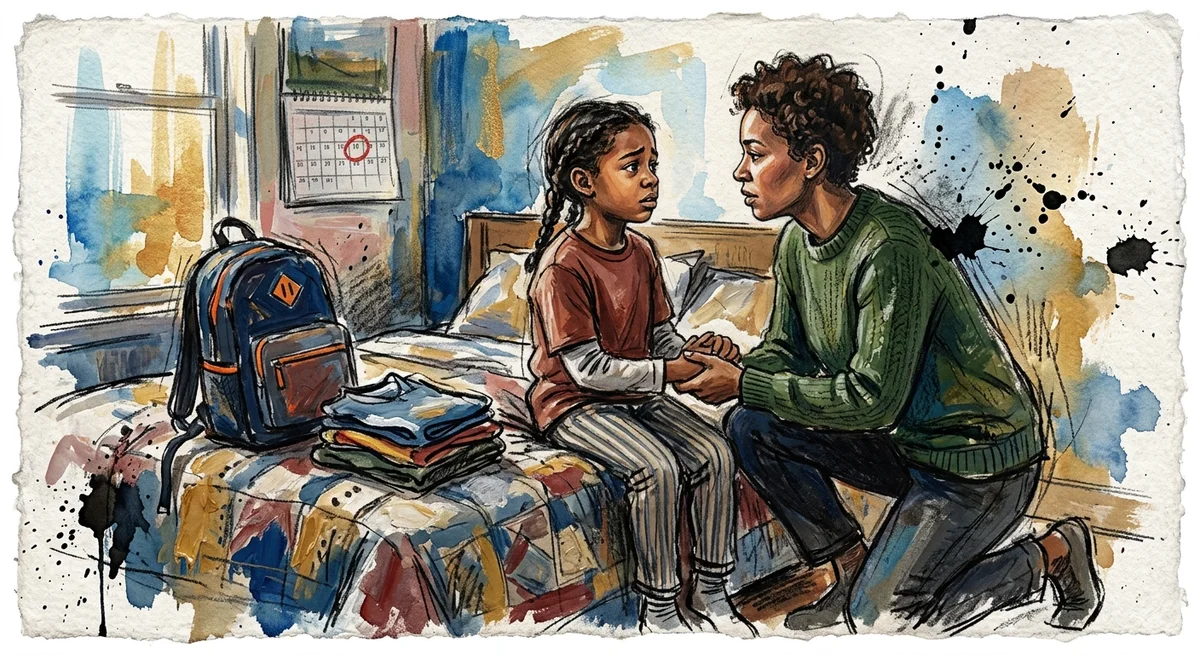
The emotional side of the back to school transition needs its own spot on the list.

How to trade nagging and monitoring for working alongside your child.