
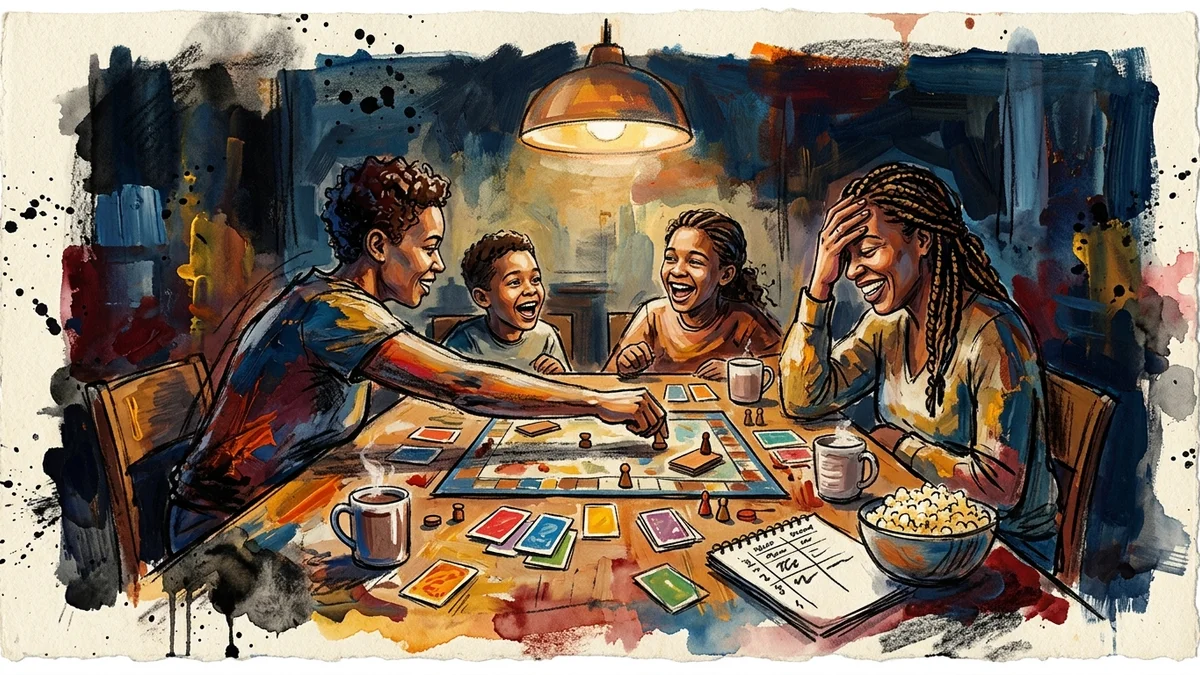
Why Family Game Night Is the Most Underrated Parenting Hack
Why one regular game night does more for a family than most parenting advice.
Read More
game night
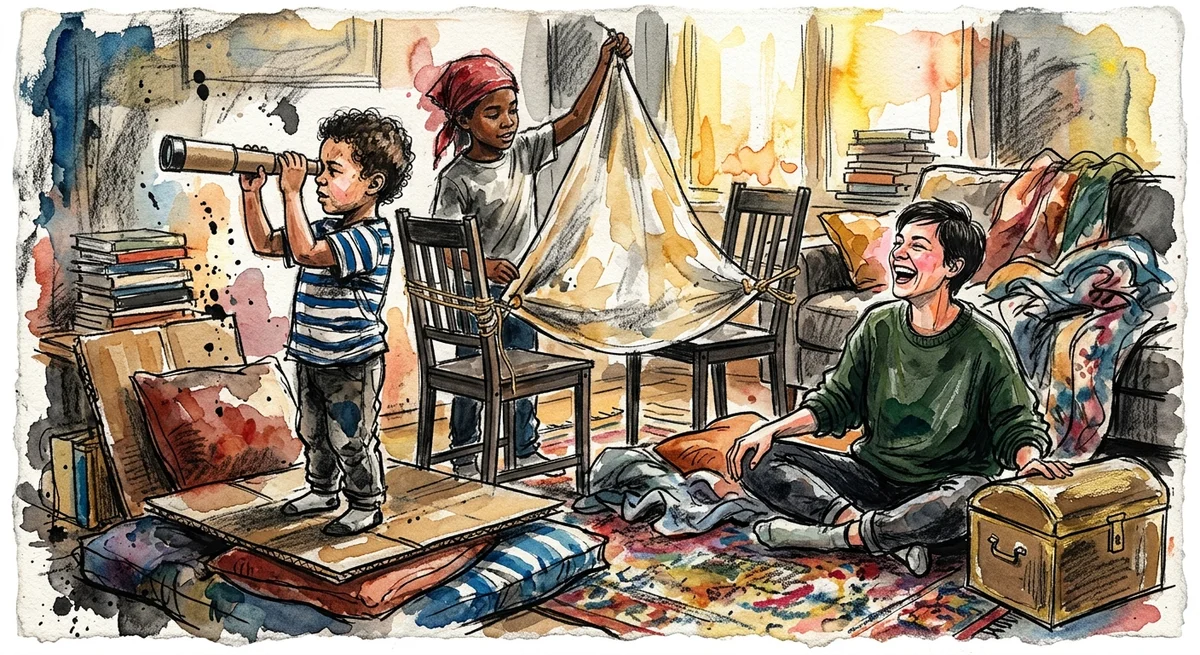
Somewhere between six and ten, kids get extremely good at inventing whole worlds, and then they get quiet about it. Here is what is happening in that window and how to get invited into the game while it lasts.
Somebody in your house handed you a cardboard tube this week and told you, with total seriousness, that it was the last working radio on Earth. Between six and ten, kids get very good at inventing entire worlds, and then they get quieter about it. That window is real, and it is shorter than it feels.
By six, kids have the language and the memory to build invented worlds that actually hold together. A four-year-old makes a dragon. An eight-year-old makes a dragon with a grudge, a territory dispute, and a plan for how it all ends. That jump is the whole story of this stage.
They also have not grown the social radar yet that makes performing feel risky. They narrate out loud. They do accents in the car. They assign you a part without checking whether you wanted one. By eleven or twelve, most kids start scanning the room before they commit to a bit, and the narrating moves somewhere inside their head where you no longer get to hear it.
So the reason to play along now is not that pretend play builds flexible thinking, although it does. It is that they still want you in the game, and they will not always ask.
The most common mistake here is enthusiasm. A parent who joins a story and immediately starts improving it has ended the story. Your kid did not invite a co-author. They cast you.
Some of the best shared stories in our house started as something written down rather than acted out. One kid dictates, the other one argues about the ending, and the thing gets stranger every time it gets retold.
If your kid is more of a listener than a performer, Story Reader works the same muscle from the other direction. You read a page, they predict the next one, and about four pages in they start rewriting it out loud.
You will blink and the submarine will be a couch again. Take the cardboard tube. Somebody has to answer it.
Why one regular game night does more for a family than most parenting advice.
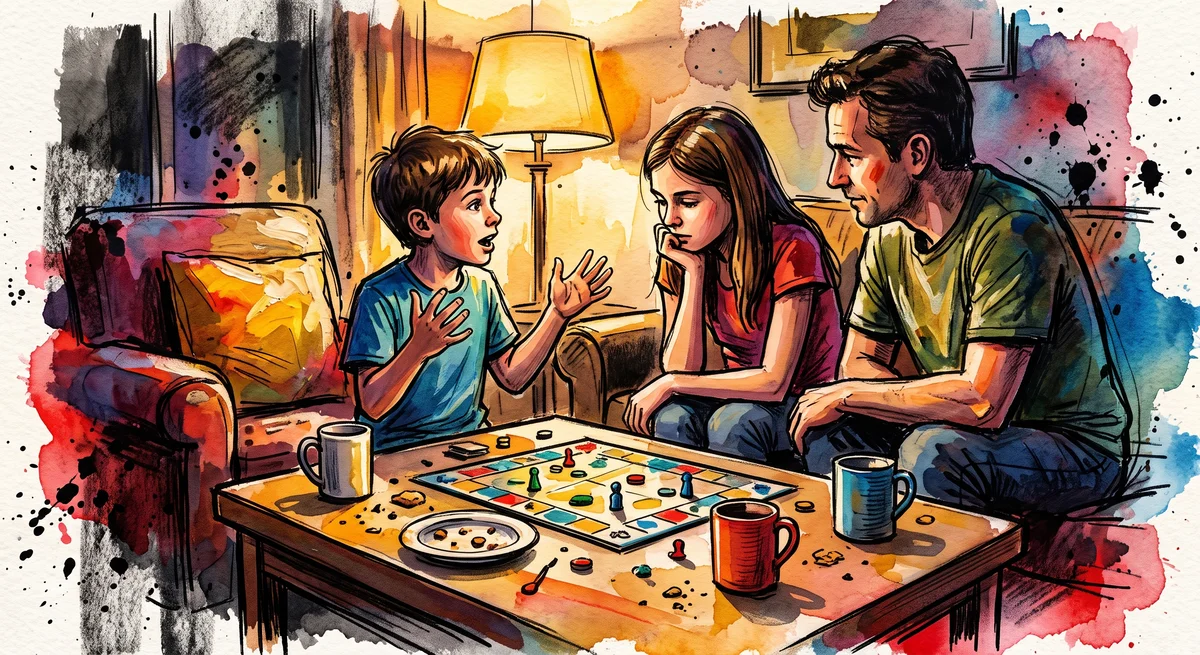
The play that gets kids talking is the play where nobody is trying to beat anybody.
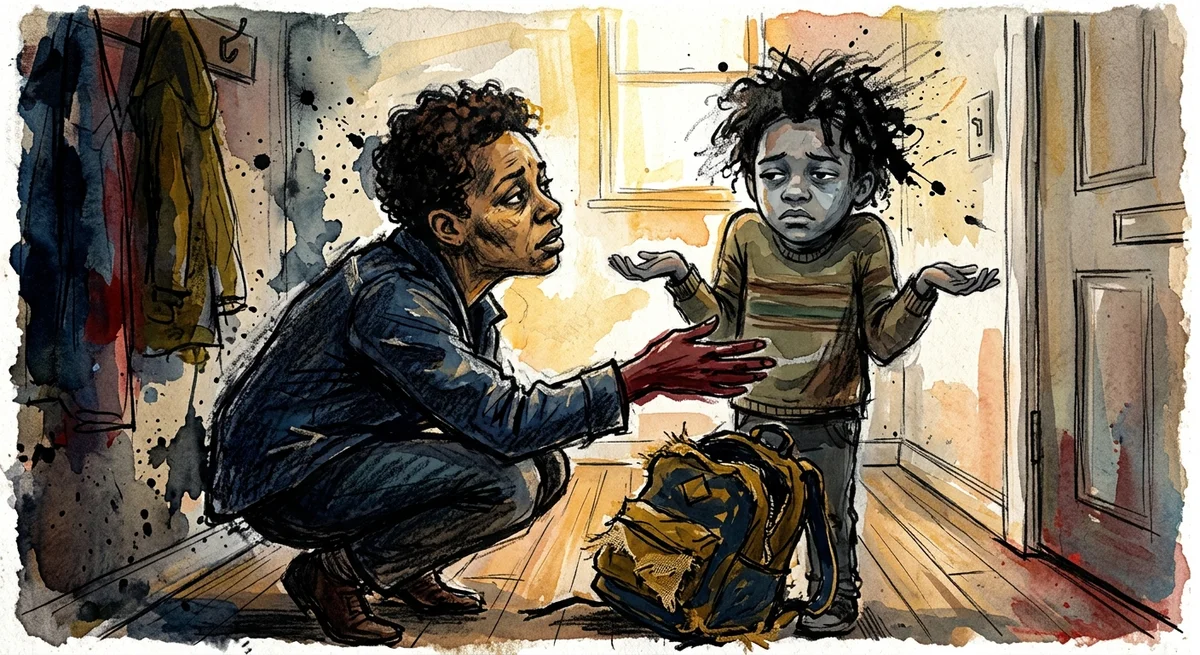
What boring is usually reporting, and what to do together instead.