
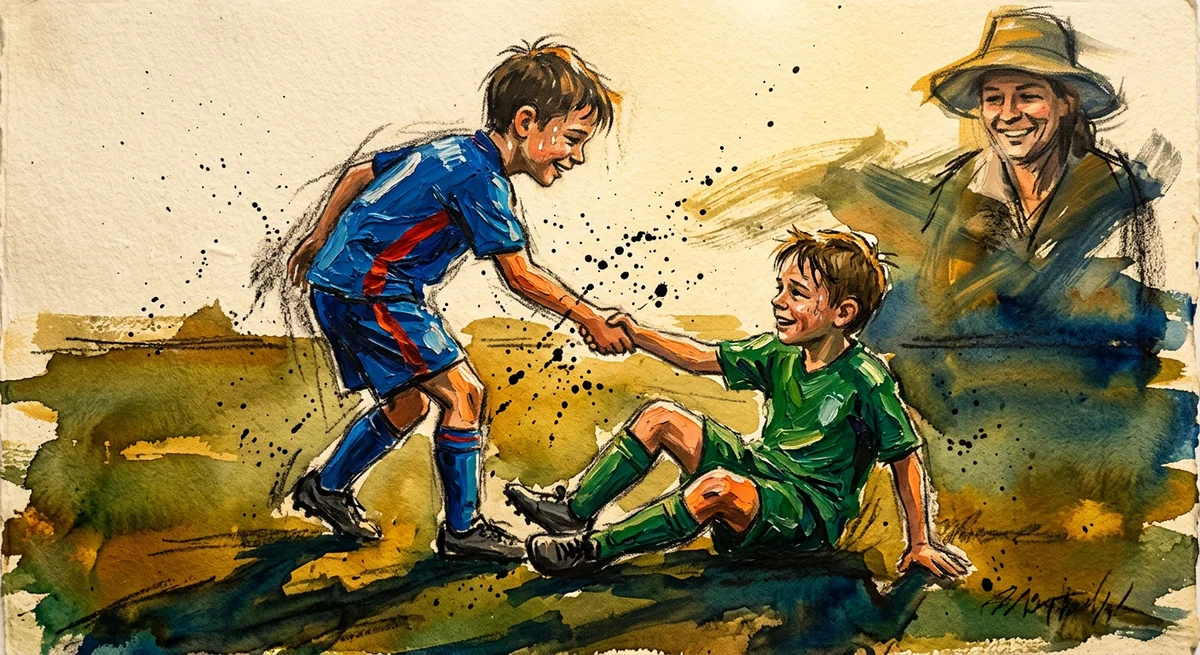
Raising Good Sports: Helping Kids Handle Winning and Losing
How to raise children who compete with grace, handle setbacks with resilience, and celebrate others without gloating.
Read More
parentingsportsmanship
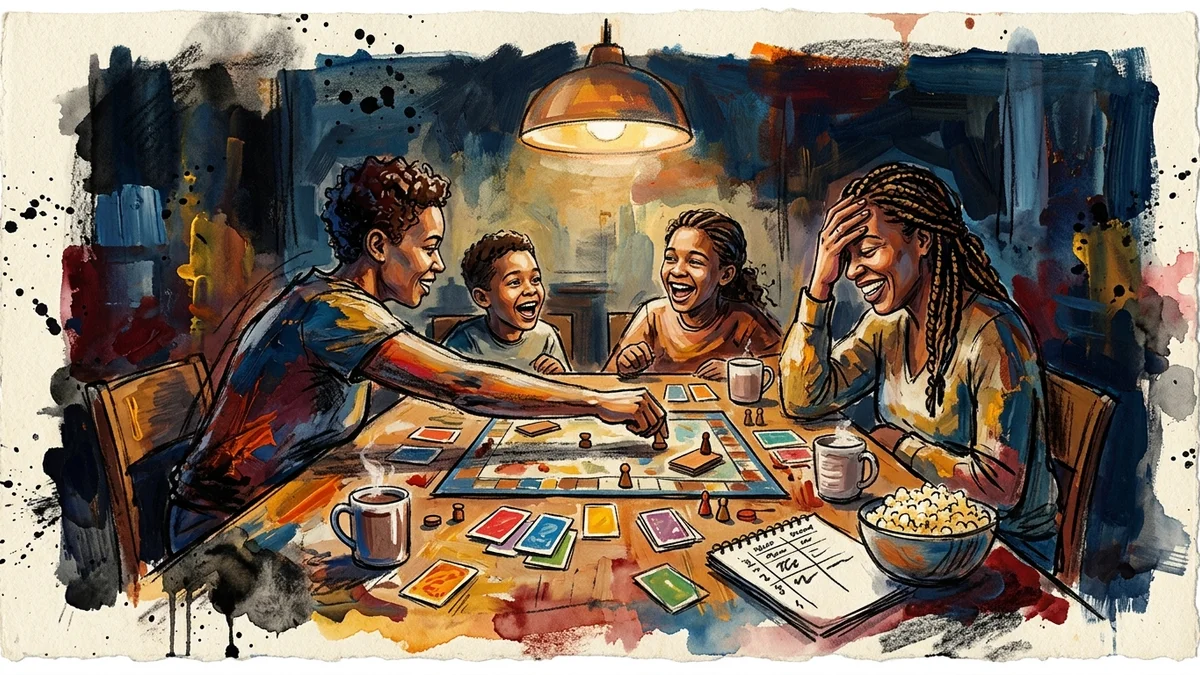
Research shows family game nights reduce behavioural issues, sharpen academic skills, and build the kind of memories that become family lore. Here is why it works — and how to start one this weekend.
If you ask a parent what their kids will remember from childhood, the answer is almost never the new tablet, the expensive day out, or the perfectly planned birthday. It is the small, weird, recurring stuff. Pancake Sundays. The dog they once dressed as a cowboy. And, if you are lucky, the night Grandma flipped the Monopoly board.
Family game night sounds quaint. It is also one of the most research-backed, low-cost, high-return things you can do as a family. If you have not pulled out a deck of cards in months, this is your nudge.
We tend to think of game night as fun-but-frivolous. The data tells a different story.
A 2023 study published in Frontiers in Psychology found that families who spent regular time playing games together saw a measurable drop in behavioural issues in their kids and were more likely to grow stronger as a unit over time. A recent Pew Research Center survey backed up the why: 73% of adults said spending time with family was one of the most important things in their lives. We know what matters. We just don't always carve space for it.
The educational research is just as striking. The Canadian distributor Scholar's Choice points out that the back-and-forth of game night — the trash talk, the negotiating, the rule debates — builds the same communication muscles that show up later as expanded vocabularies, higher reading scores, more school motivation, better peer relationships, and a more positive view of the parent–child bond. Carnegie Mellon researchers have shown that even small amounts of time on academic-style games can improve classroom performance. And University of Florida research on memory found that kids who strategise alongside a parent or trusted adult develop stronger problem-solving habits they then use on their own.
In other words: when you are losing badly at Uno on a Tuesday night, you are also quietly building your kid's brain.
Family game time is associated with lower rates of behavioural issues in children and stronger family cohesion over time.
The research is the floor, not the ceiling. The real magic of game night is the stuff that never makes it into a journal article.
Game nights generate family lore. The wins, the twists, the impossible last-second comebacks, the rule someone definitely made up — these become the stories your kids retell at twenty-five. They are the inside jokes that hold a family together when the teenage years get prickly.
Game night is also one of the few low-pressure places where everyone, kids included, gets to practice the hardest life skills there are:
You cannot lecture a kid into any of these. But you can absolutely lose to them at Yahtzee on a Friday night and watch them grow into them, one round at a time.
Most game nights die for the same reason most New Year's resolutions do: too ambitious, too inconsistent, too easy to skip.
A few things that help:
And do not feel like you have to choose between physical and digital. A printable scorecard, a deck of cards, and a multiplayer word game on a tablet can all live on the same table — what matters is that everyone is at it together.
If you need a starting lineup, this little mix covers most age ranges and energy levels:
You do not need them all. Pick two. Start there.
A handful of family-game-night ideas from creators who have road-tested them:
Game night is not a productivity hack disguised as fun. It is the fun — and the brain-building, behaviour-shaping, memory-making bonus is just the universe rewarding you for showing up. Block out a night this week, pick something silly, and let the lore start writing itself.
How to raise children who compete with grace, handle setbacks with resilience, and celebrate others without gloating.
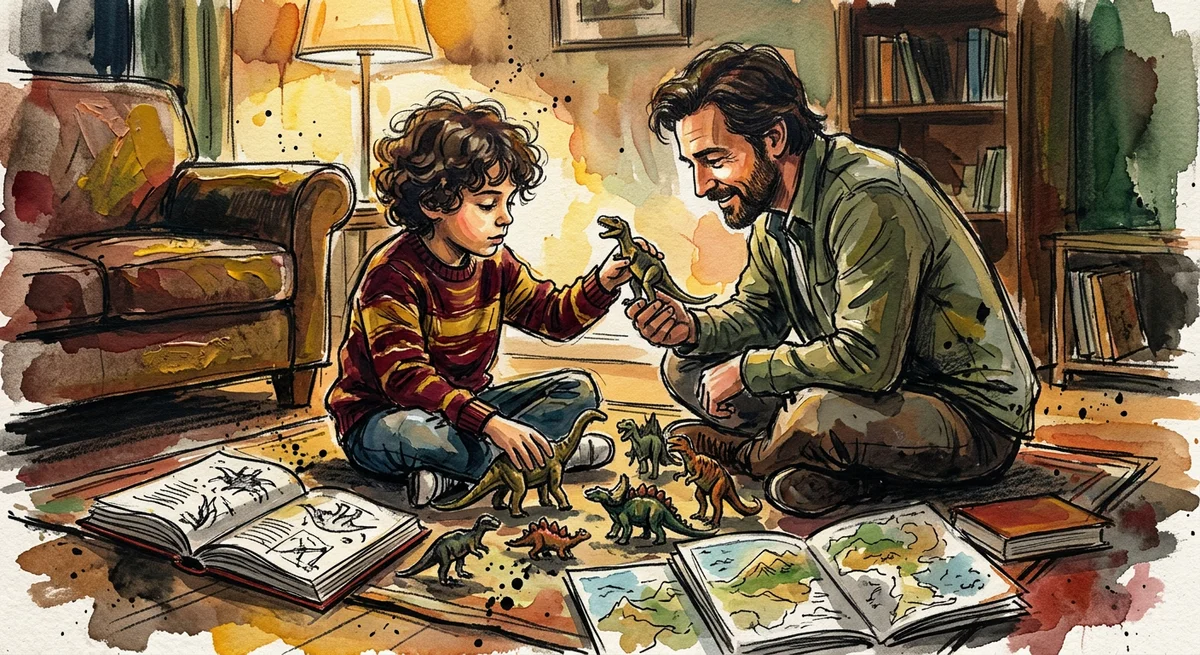
Why leaning in to your childs intense passions builds trust, self-esteem, and the deepest kind of connection.
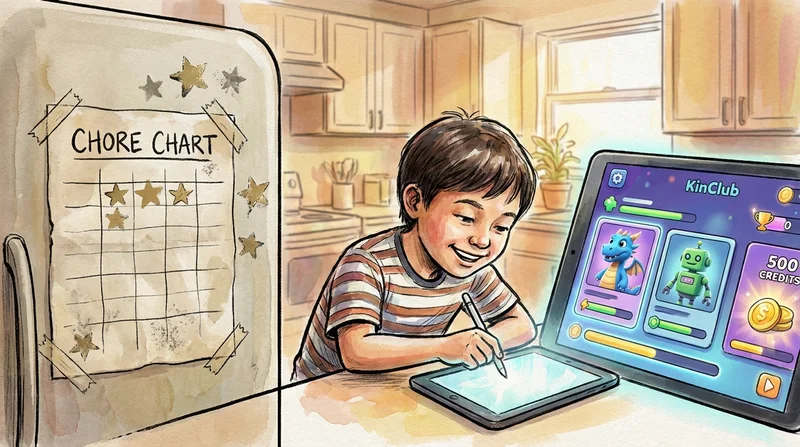
Transform your kids from helpers to contributors using gamified systems and intrinsic motivation.