
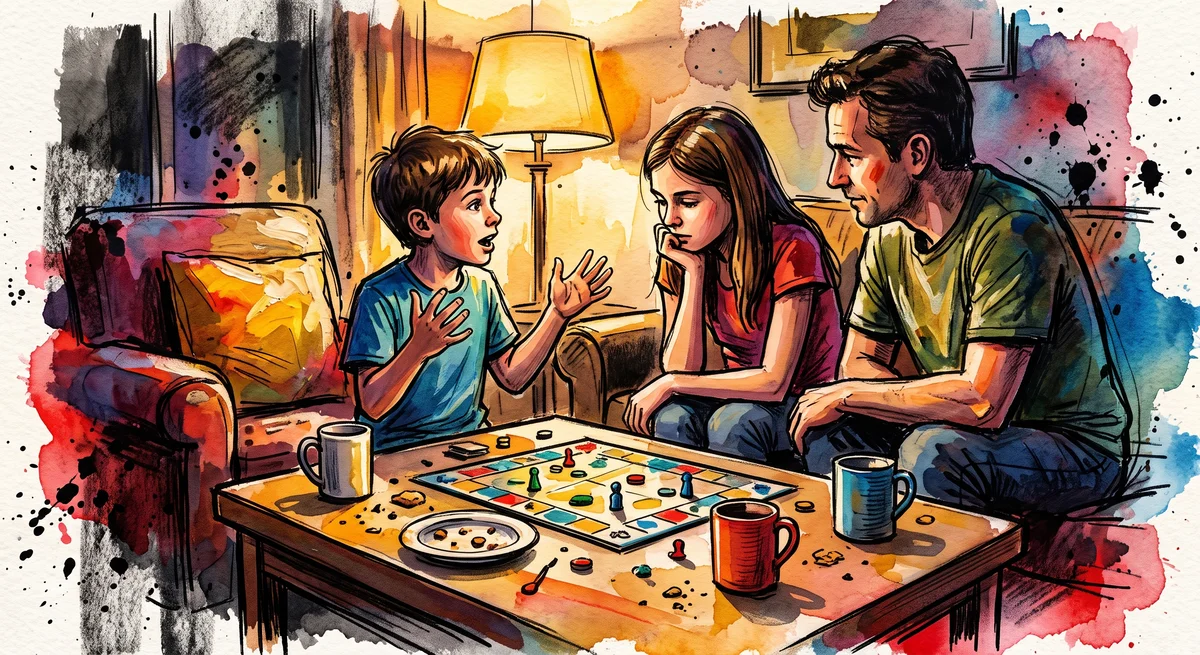
Take Winning Off the Table and Watch Your Kids Start Talking
The play that gets kids talking is the play where nobody is trying to beat anybody. How to make the swap this weekend.
Read More
cooperative play
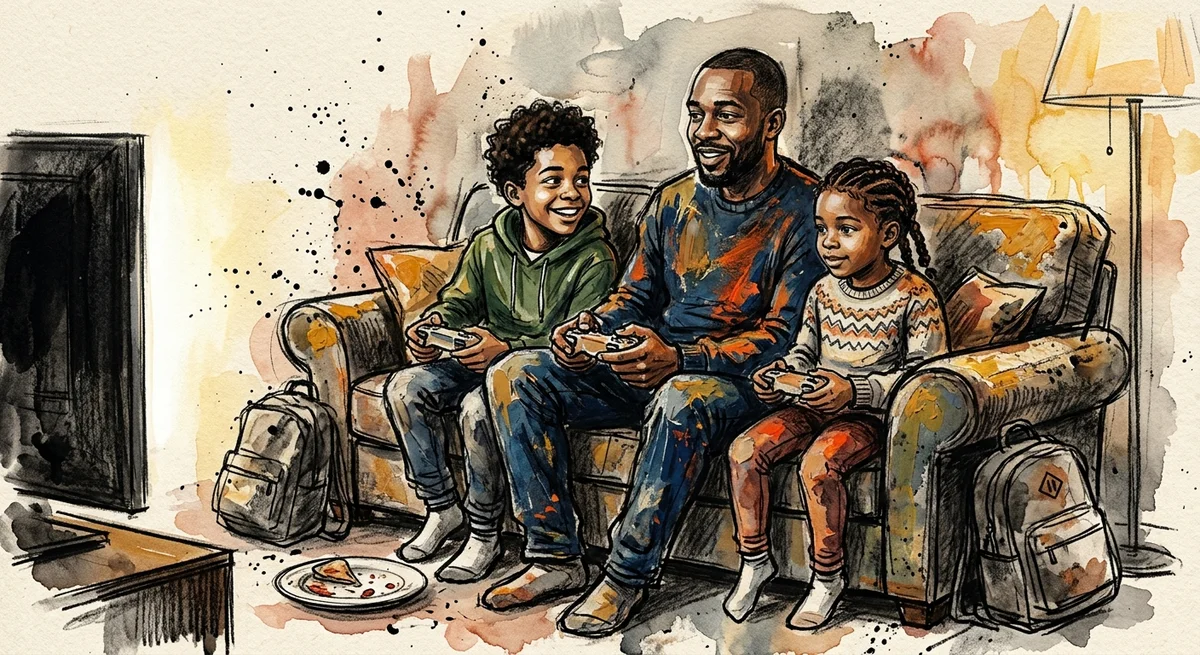
Eight in ten parents who play games now play with their kids every week. Here is why that matters more than the score, and how to find games that fit into ten minutes on a school night.
My daughter was on the phone to a friend last week, walking her through a boss fight, and I heard her mention in passing that her dad was the one who worked out the pattern. She did not know I was in the hallway. Eleven years of parenting and I am not sure anything has landed quite like that.
Most of us raising school-age kids grew up with a console under the telly, and the Entertainment Software Association put a number on what that turned into this month: 82 percent of parents who play games play with their kids at least once a week. Our parents stood in the doorway asking when it would be finished. We tend to sit down.
Kids clock the difference. A kid who is used to being the expert in the house gets to teach you something. A kid who assumed you were hopeless finds out otherwise, or finds out they were right and enjoys that even more. For the record I am terrible at Mario Kart, and my son thinks this is the funniest thing about me. Either way they come away with a version of you they did not have before, and that is the version they tell their friends about.
Kids do not remember whether you won. They remember that you sat down.
There is a quieter payoff too. Half an hour with a controller in your hand is half an hour where your kid talks to you without an interview taking place. They explain things you did not ask about. They get frustrated in front of you and then get over it, which is not something you see at the dinner table. I have learned more about how my son handles pressure from watching him lose a race to his sister and demand a rematch than from any conversation I have started on purpose.
What keeps most parents off the sofa is the clock rather than interest. A lot of what our kids love is built for long sessions, with a save point somewhere off in the distance, and that is a hard fit for a Tuesday when dinner is at six and the reading log is not done.
So I stopped looking for better games and started looking for games that flex. A round of something ought to fit inside ten minutes and still be worth an hour on a Sunday. It should survive a pause when the pasta boils over, and it should let you pick up two days later without anybody needing a recap. Most of all it needs a natural stopping point every few minutes, so nobody has to be the villain who switches it off.
The first couple of weeks feel a bit forced. Give it a month. Somewhere in there your kid will start saving a level for when you get home, and that is how you will know it has stuck.
If your kids split the week between two houses, a game does not have to wait for the next handover either. KinClub video calls have an activity dock where you can open a game on the call and keep talking, so a short round from whichever kitchen you are in that night keeps it going.
Sit down this week. Pick something with rounds rather than a campaign, and lose the first one honestly. You are not the parent watching from the doorway anymore, and your kid already knows it.
The play that gets kids talking is the play where nobody is trying to beat anybody. How to make the swap this weekend.
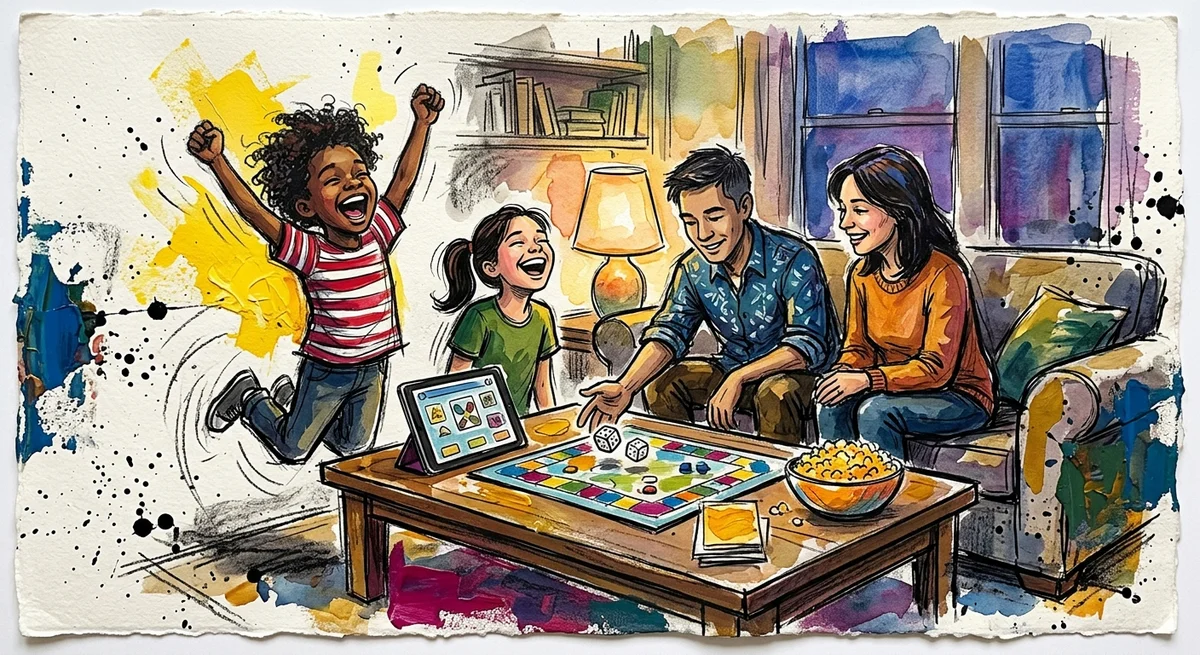
Board games are having a renaissance, and your kids still love their screens. You do not have to choose.
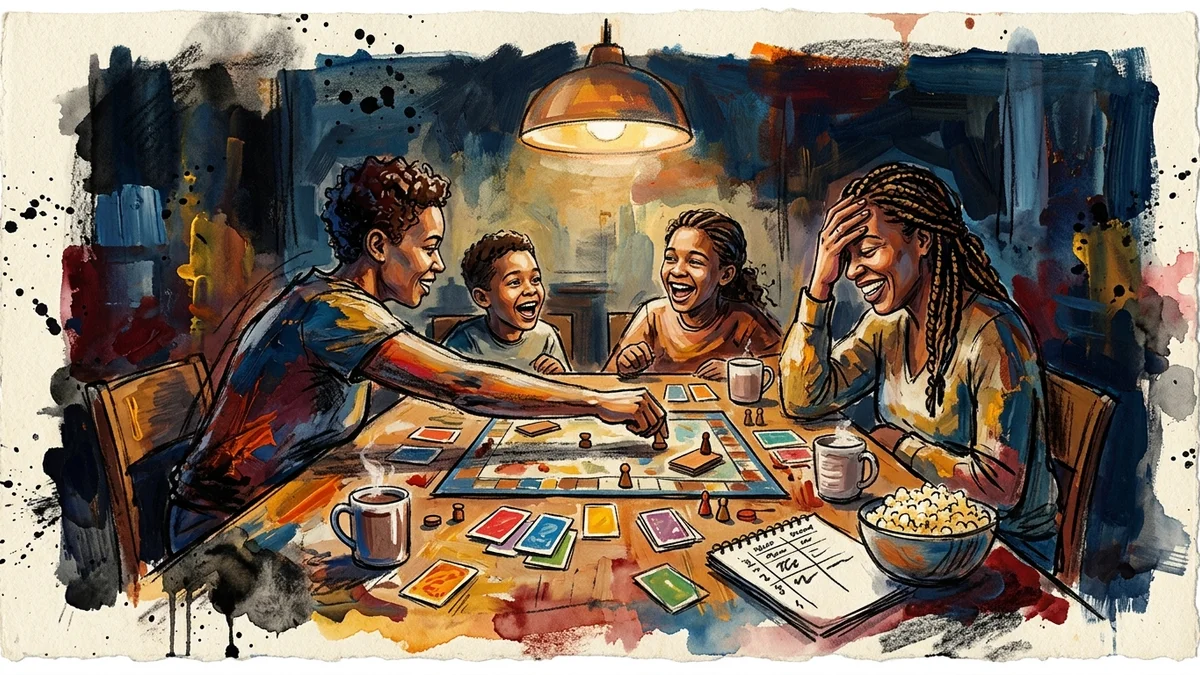
Family game nights reduce behavioural issues, sharpen academic skills, and build the kind of memories that become family lore.