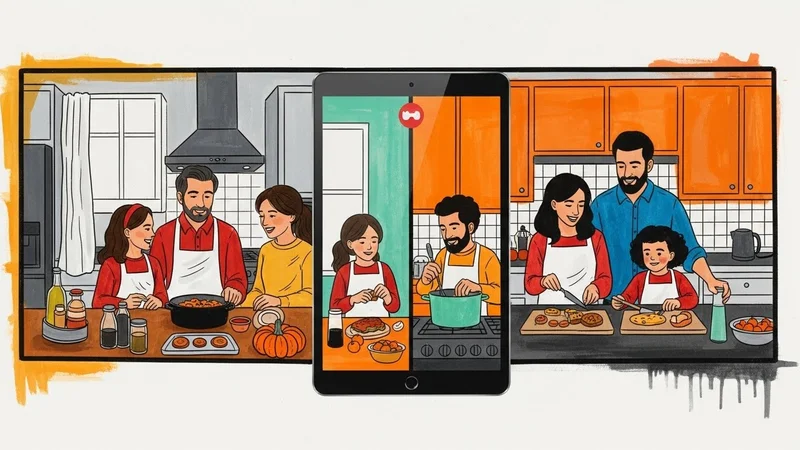
A Guide to Virtual Holiday Celebrations
Creative ways to celebrate when you cannot be together in person. From virtual feasts to digital games, keeping the family bond strong across distance.
Read More
holidaysfamily
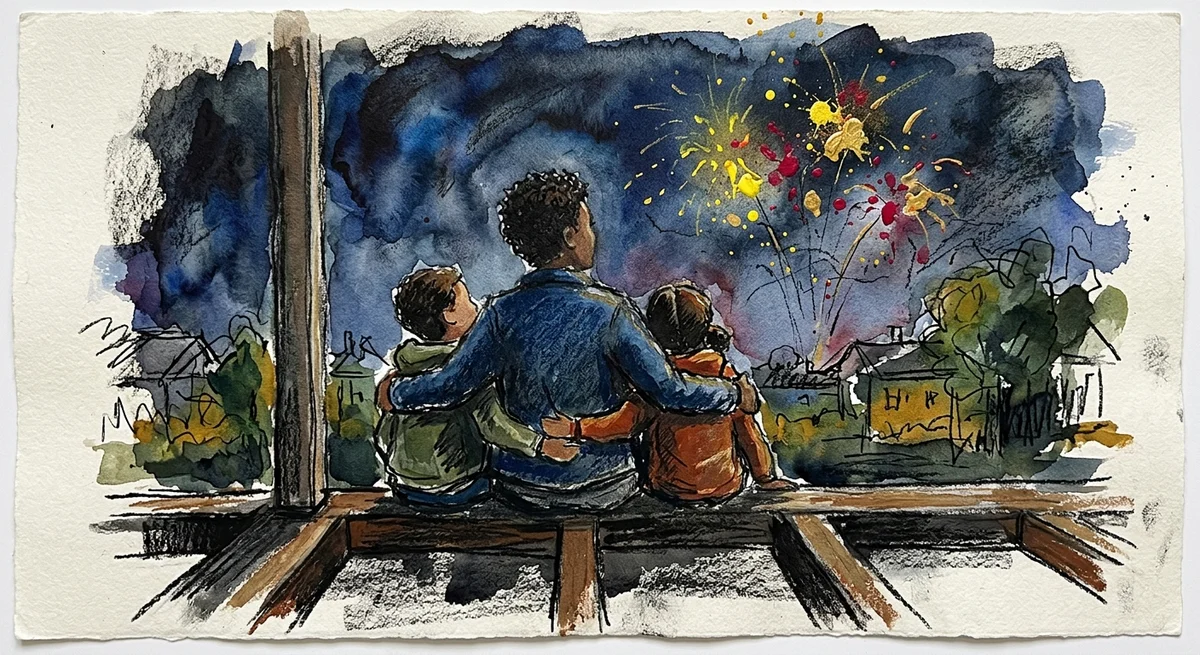
The first July 4th after a separation can feel like a loss wrapped in fireworks. This is how to stop chasing the old script and start writing a new one your kids will actually remember.
There is a particular kind of quiet that settles in on the Fourth of July when the family looks different than it did last year. The neighbourhood is loud with celebrations, the sky fills with colour, and somewhere in the middle of all of it, you are sitting with your kids and feeling the shape of everything that has changed.
If this is your first — or fifth — summer navigating the holiday as a split family, you are not alone. And the pressure to make it feel normal, to recreate what used to be, can quietly make everything harder than it needs to be.
The good news: new traditions are not a consolation prize. They can become the ones your kids carry with them for the rest of their lives.
It is worth naming the grief before skipping straight to the tips. The first holiday season after a separation tends to hit harder than people expect. You might not have anticipated how much of your sense of family identity was tied up in the way you used to do things — the backyard barbecue, the same neighbourhood parade, the specific way the evening ended.
When those things are gone or changed, it is not just the activity you are mourning. It is the version of your family you had imagined.
Your kids feel this too, even if they cannot name it. They may push back on new plans, go quiet, or seem far away during moments that are supposed to be fun. That is not a sign you are doing it wrong. It is a sign that they loved what they had — and that they are learning, alongside you, that love does not only live in one particular version of a day.
A few things worth keeping in mind during this phase:
Here is the shift that changes everything: stop trying to replicate the old tradition and start building a new one from scratch.
This sounds simple. It rarely feels that way at first. But the families who come through the first few post-separation holidays intact tend to share one thing in common: they gave themselves permission to invent something entirely their own.
New traditions do not have to be elaborate. They just have to be repeatable, and they have to belong to this version of your family.
Some starting points that work for split families on summer holidays:
Divorce ends a marriage, not a family. Children are resilient when the adults in their lives stay honest, stay kind, and stay present.
The deeper truth is that your kids are not comparing this Fourth to the one four years ago. They are experiencing this one — with you, right now. The warmth they feel is not contingent on whether the plan matches a memory. It is contingent on whether you are actually there.
The co-parenting journey on holidays is one that many families are navigating, and there is a growing body of honest, practical guidance available. A few places worth exploring:
If video content is helpful for your family — either to watch yourself or to share with older children — search for co-parenting coaches on YouTube. There is a growing community of parents and therapists sharing practical, non-judgmental content on exactly this topic.
The holiday does not have to look like it used to. It just has to be real, and it has to be yours. Give it time, give it a little creativity, and give your kids the gift of a parent who is willing to write a new chapter — even when the old one still hurts.
KinClub is built for families in all their shapes and forms. kin-club.com
Creative ways to celebrate when you cannot be together in person. From virtual feasts to digital games, keeping the family bond strong across distance.
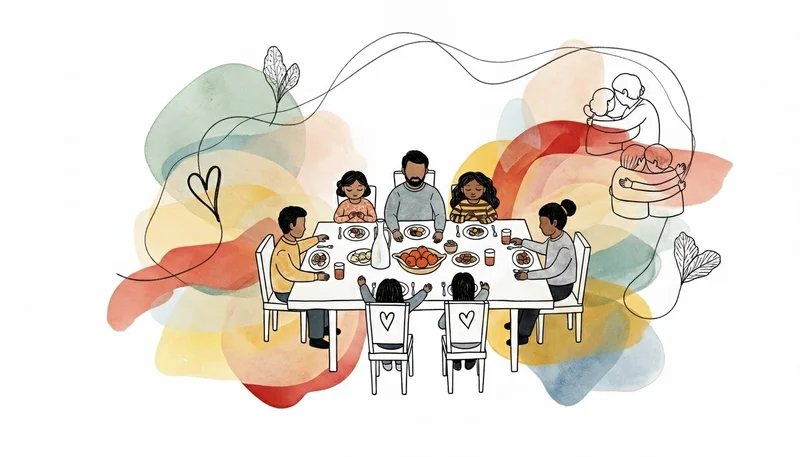
Practical tips and activities to help parents nurture an attitude of gratitude in their children during the holiday season.
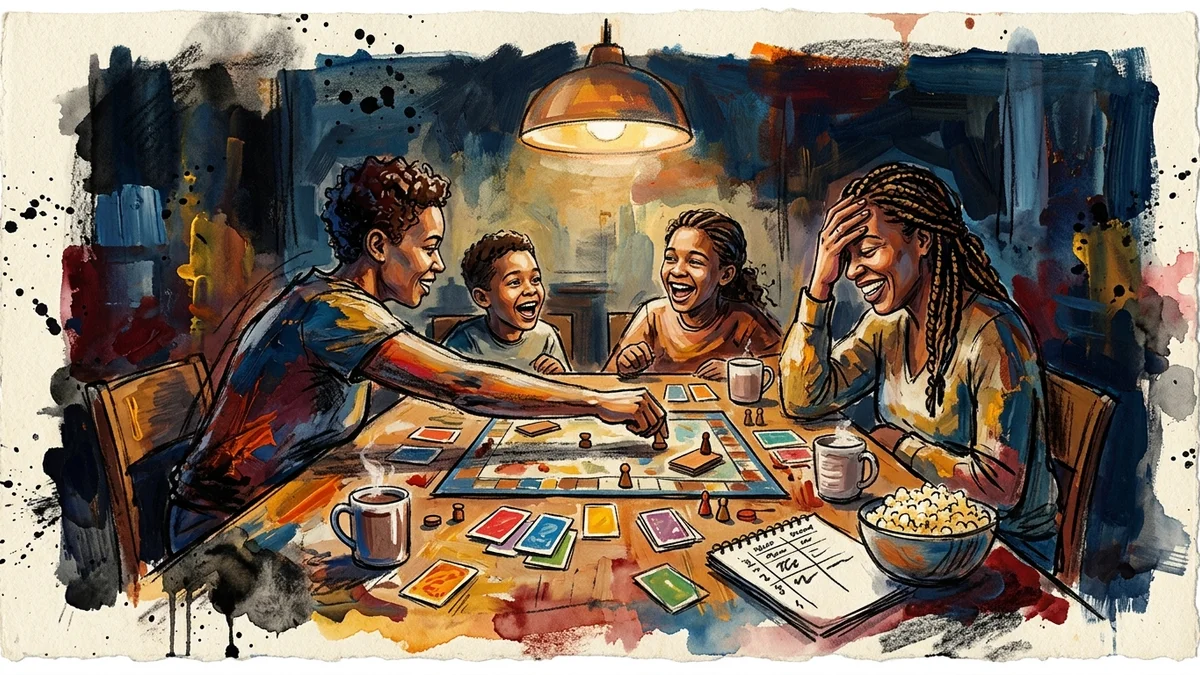
Research shows family game nights reduce behavioural issues, sharpen academic skills, and build the kind of memories that become family lore.