
Cultivating Gratitude: A Parent's Guide to Raising Thankful Kids This Holiday Season
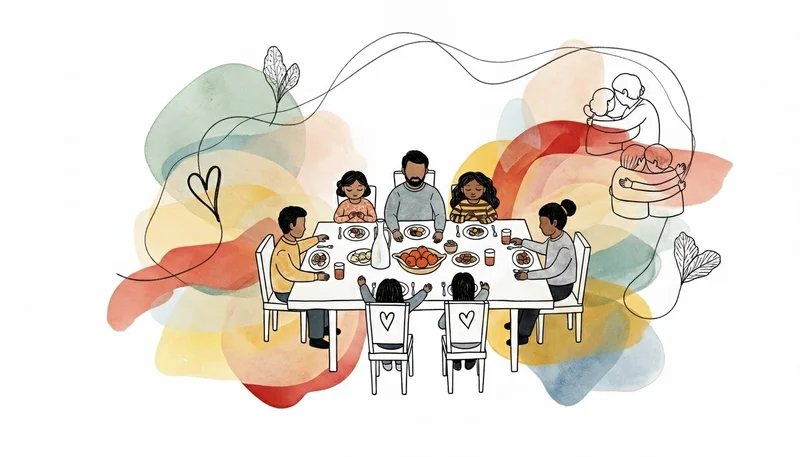
Discover practical tips, engaging activities, and expert resources to help parents nurture an attitude of gratitude in their children, especially during Thanksgiving and the holidays.
Introduction
As the holidays approach, with Thanksgiving right around the corner, our thoughts naturally turn to family, feasts, and giving thanks. This season offers a perfect opportunity to talk with our children about a powerful and life-changing value: gratitude.
But what is gratitude, really? It's more than just saying "thank you" for a gift. It's a deeper appreciation for what we have, both big and small, and for the people in our lives. Cultivating gratitude in children is one of the greatest gifts a parent can give, setting them up for a happier, more resilient, and more connected life.
This post will provide you with practical strategies, fun activities, and expert resources to help you make gratitude a meaningful and lasting part of your family's life, well beyond the holiday season.
Why Gratitude Matters
Research consistently shows that grateful people—kids included—are happier, less stressed, and more optimistic. Instilling an attitude of gratitude helps children move beyond simple manners to truly value their relationships and experiences. It teaches them to appreciate effort, to notice kindness, and to find joy in the everyday.
Practical Strategies to Nurture Gratitude
Teaching gratitude isn't a one-time lesson; it's an ongoing practice. The best way to start is by weaving it into the fabric of your daily family life.
1. Model Gratitude Yourself
Children learn more from what we do than what we say. Let your kids hear you express gratitude.
- Say "thank you" to the grocery clerk, your partner, and your child.
- Share something you're grateful for at the dinner table.
- Model appreciation for non-material things, like a beautiful sunset or a quiet moment.
2. Make Gratitude a Daily Routine
Consistency is key. Find a simple routine that works for your family.
- Dinner-Time Thanks: Go around the table and have everyone share one good thing that happened to them or one person they are thankful for.
- Bedtime Reflection: As part of their bedtime routine, ask your child, "What was the best part of your day?"
- Gratitude Jar: Keep a jar and some slips of paper handy. Encourage family members to write down things they're grateful for and add them to the jar. Read them together at the end of the week or on Thanksgiving.
3. Involve Kids in Giving and Helping
Gratitude and empathy are closely linked. When children participate in helping others, they gain a tangible understanding of their own good fortune and the joy of giving back.
- Have them help with household chores to appreciate the effort it takes to run a home.
- Encourage them to donate old toys or clothes to a local charity.
- Write thank-you notes. A handwritten note for a gift, a kind act, or a teacher's hard work teaches kids to purposefully express their appreciation.
4. Discuss Wants vs. Needs
In a world of constant advertising, it's easy for kids to get caught up in the "wants." Have open conversations about the difference between needs (like food, shelter, and love) and wants (like the newest toy). This helps them appreciate what they already have.
Engaging Activities, Videos, and Music
Make learning about gratitude fun! Use media and activities to spark conversations.
Videos That Spark Conversation
These short, engaging videos are perfect for explaining gratitude to kids in a way they can understand.
A Playlist for Thankfulness
Put on some "grateful" music while cooking dinner or crafting. This playlist is full of songs about appreciation and thankfulness.
Fun Family Activities
- Gratitude Tree: A classic Thanksgiving activity. Find a small branch and have family members write what they're thankful for on paper "leaves" and hang them on the branch.
- Gratitude A-to-Z: As a family, try to name something you're grateful for for every letter of the alphabet.
- Start a Family Gratitude Journal: Use a simple notebook where family members can take turns writing or drawing something they are thankful for each day.
Helpful Articles & Resources for Parents
For those who want to dive deeper, these articles and resources offer research-backed techniques and more great ideas:
- 10 Tips for Raising Grateful Kids - Child Mind Institute
- Stop telling your kids to be grateful. Show them how instead. - American Psychological Association
- Instilling an Attitude of Gratitude in Children - Center for Parenting Education
- How to Raise Grateful Children - Harvard Graduate School of Education
- Grateful Kids Are Happy Kids: Teaching Gratitude to Children - Children’s Nebraska
- Gratitude Worksheets and Activities for Families - Social Workers Toolbox
- How to Practice Thankfulness With Your Kids - Together for Youth
- The Science of Gratitude and Its Impact on Kids - National Institutes of Health (NIH)
Conclusion: A Lifelong Gift
Teaching your children gratitude is a gift that lasts a lifetime. It's a practice that builds resilience, deepens relationships, and fosters genuine happiness. This holiday season, let's go beyond a single day of thanks and commit to nurturing a spirit of gratitude that enriches our families all year long.