
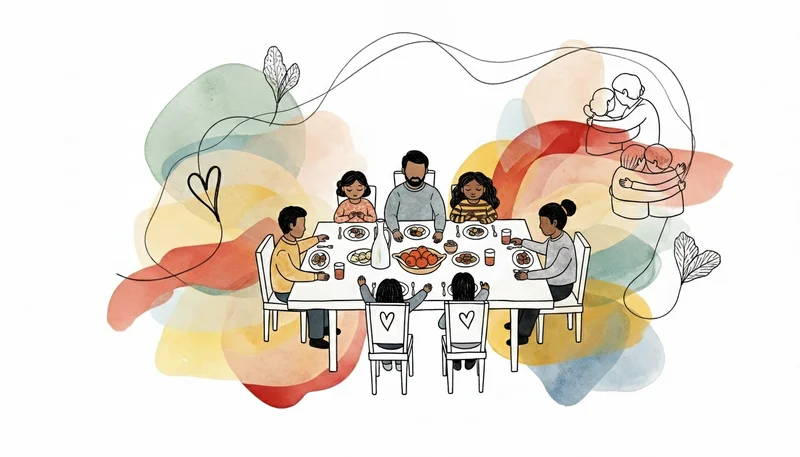
Cultivating Gratitude: A Guide to Raising Thankful Kids This Holiday Season
Practical activities and resources for building gratitude in children through Thanksgiving and the holidays.
Read More
gratitudeholidays
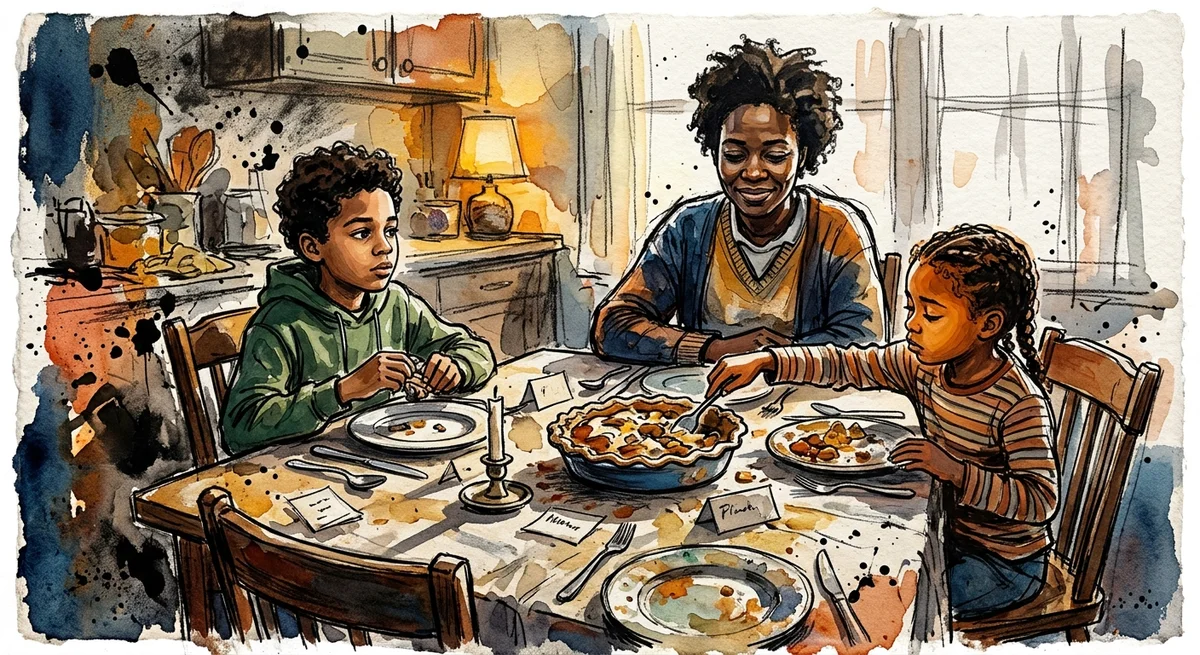
Thanksgiving prep has a way of exposing how little your kids seem to appreciate. Why gratitude arrives later than we expect, and the shift that works better than another lecture at the table.
The first thing my daughter said about Thanksgiving this year was that she does not like green beans. Not thank you. Not that sounds nice. Green beans, reviewed and rejected, before I had finished reading out the menu. If your jaw tightened a little reading that, you know exactly the feeling I mean.
Gratitude is not one skill. It is three jobs stacked on each other. A kid has to notice something good happened, work out that a person chose to make it happen, and then care about that person's effort more than their own wanting. That last job runs on perspective-taking, and perspective-taking is still being wired well into the teen years.
So the seven-year-old who tears open a gift and asks what else there is has not failed a character test. He is doing what a seven-year-old brain does. Same with the ten-year-old who gets driven to practice four nights a week and complains about the fifth.
When I actually sat with my own frustration, most of it turned out to be a timing problem. I was waiting on a finished product from a kid who is still half built. That does not mean you let rudeness slide. It means you stop reading slow development as a verdict on your parenting.
My instinct was always to say it out loud. Say thank you. Do you know how lucky you are. Grandma drove two hours for this. It buys about four seconds of compliance and teaches nothing, because a forced thank you is a password. Kids learn the word that makes the adult stop talking.
What works is being inside gratitude with them instead of talking about it. They pick it up the way they pick up an accent.
Most of the holiday work in our house is invisible to the kids, which is half the problem. Nobody can appreciate a thing they never saw happen.
For the relatives who are not at the table, skip the dictated phone call. KinClub also added Puppet Show, where kids pick puppets, write the script line by line and give every line a voice, then send the whole thing around the family. A thank-you my daughter wrote and performed for her grandfather got a real reaction out of her. A supervised thank-you never has.
Gratitude lands late, and when it lands it is quiet. Probably not at the table this month. Keep doing it in front of them anyway.
Practical activities and resources for building gratitude in children through Thanksgiving and the holidays.
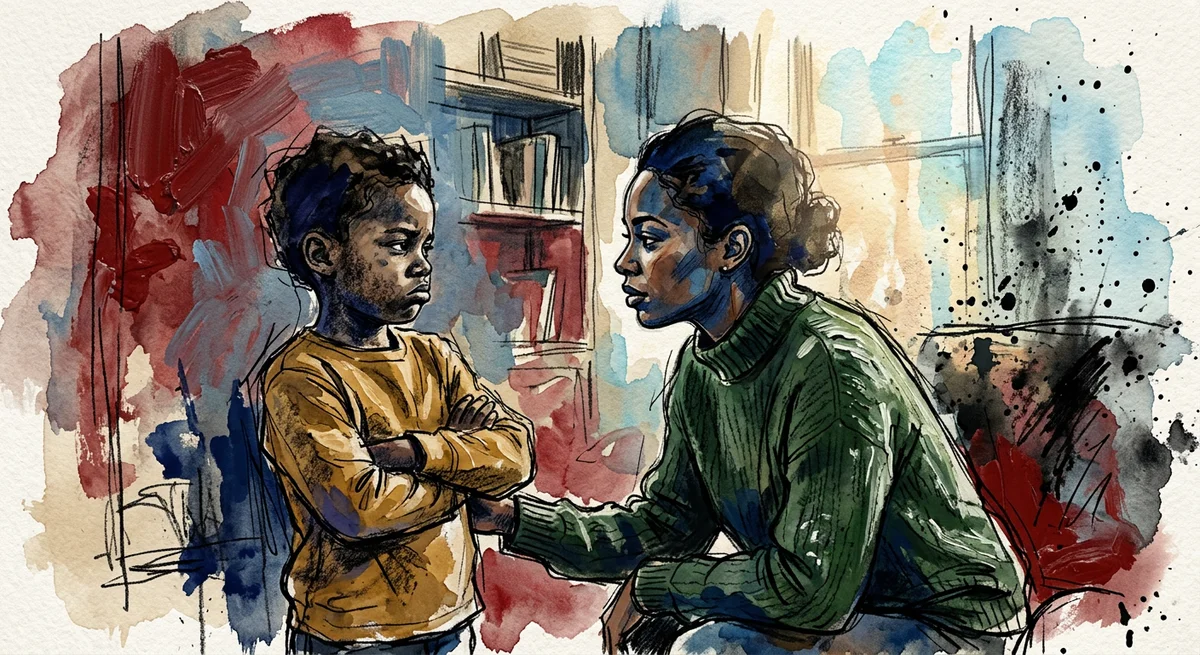
Entitlement sneaks up on even the most intentional families. The strategies that actually shift the pattern.
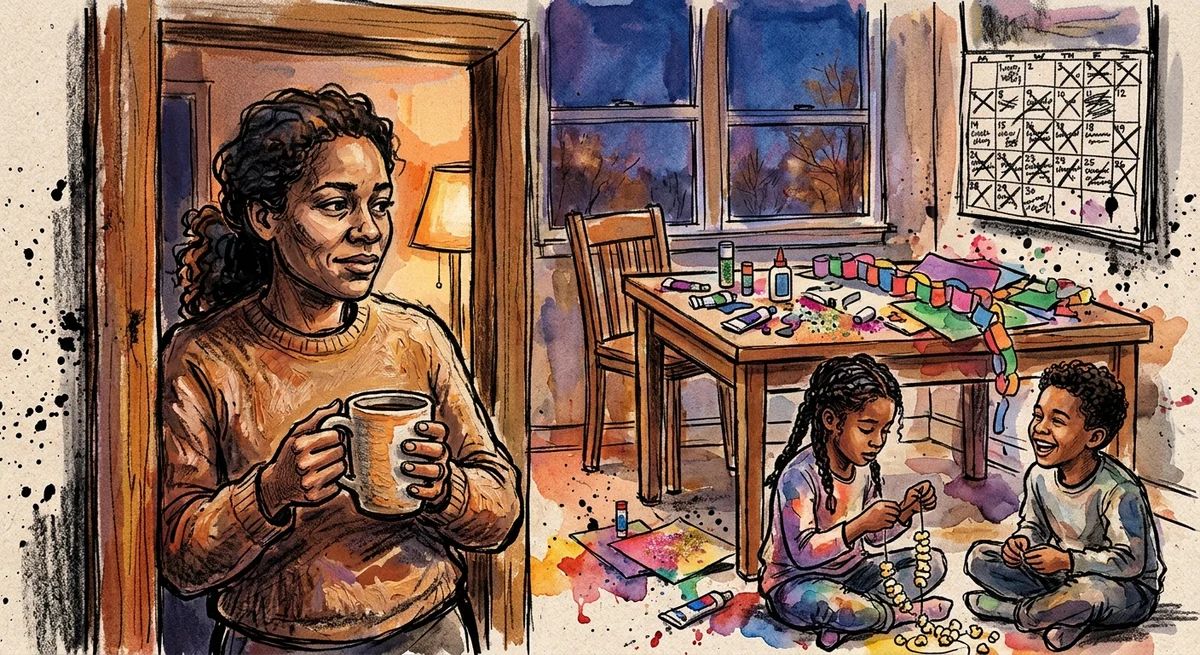
The traditions kids carry are the small ones you can repeat while tired. How to build one that survives December.