

Stop Counting Minutes: The New 5 Cs of Screen Time
The AAP has moved past rigid hour limits. Here is how the 5 Cs make screen time decisions simpler and calmer for your family.
Read More
screen timeparenting

New research confirms screen time is now the most common family argument. But the fight is rarely about the device. Here is what to do instead of drawing another battle line.
The argument about screens is rarely actually about screens. It is about control, attention, and competing with a device for your own child's presence.
It tends to run the same way every time: parent says stop, child resists, parent escalates, child eventually complies or melts down, everyone feels terrible. The screen gets blamed. The child feels punished. The parent feels like the villain. Tomorrow it runs again.
The 2026 Talker Research survey found that screen time has now edged out chores, homework, and bedtime as the most frequent source of family conflict. That is a real shift, and it suggests the way most families are managing screens right now is not working. Not because parents are not firm enough, but because restriction alone is up against something that was specifically built to be irresistible.
Screen time has now edged out chores, homework, and bedtime as the most frequent source of family conflict.
The problem is not the device. It is what the device is being used for when the argument starts. Passive, solo, algorithm-driven consumption (the scrolling, the autoplay, the social feeds) creates a pull that makes "put it down" feel genuinely hard to comply with. It is not stubbornness. It is how the technology was designed.
When children know that the only screen time they get is the kind that gets interrupted and bargained away, they respond rationally to that situation: by grabbing every minute they can, by pushing back when the minute ends, and by treating you as the obstacle between them and something they want. The restriction creates the desperation. The desperation creates the fight.
Stop trying to pull your child away from the screen. Start joining them at it, on your terms.
Co-engagement means being in the room with the technology rather than positioned against it from across the house. Sitting down next to your kid and actually asking what they are watching. Playing a game together on a shared device instead of each person disappearing into their own. Making the screen the center of something that already belongs to both of you: a bit of competition, some genuine laughter, a show you both actually want to see.
Research on family media use consistently finds that quality matters more than quantity. A forty-five-minute family game session on a device is a different activity from forty-five minutes of solo scrolling. Same screen, genuinely different effect on mood, on connection, on how the evening feels when it is over.
What parents who make this shift often notice first is not that their children use screens less. It is that the arguments about screens nearly stop. When kids know that some screen time belongs to the whole family, when the device becomes a shared thing rather than something being rationed and fought over, the desperation to grab every available minute alone with it tends to ease on its own.
The 2026 survey is a signal, not a verdict. Screens are not going away, and neither are the kids who love them. What can change is the position you take: the gatekeeper standing opposite the screen, or the parent sitting beside their child in front of it. That second position, more than any timer or parental control app, is what tends to quiet things down.
The AAP has moved past rigid hour limits. Here is how the 5 Cs make screen time decisions simpler and calmer for your family.
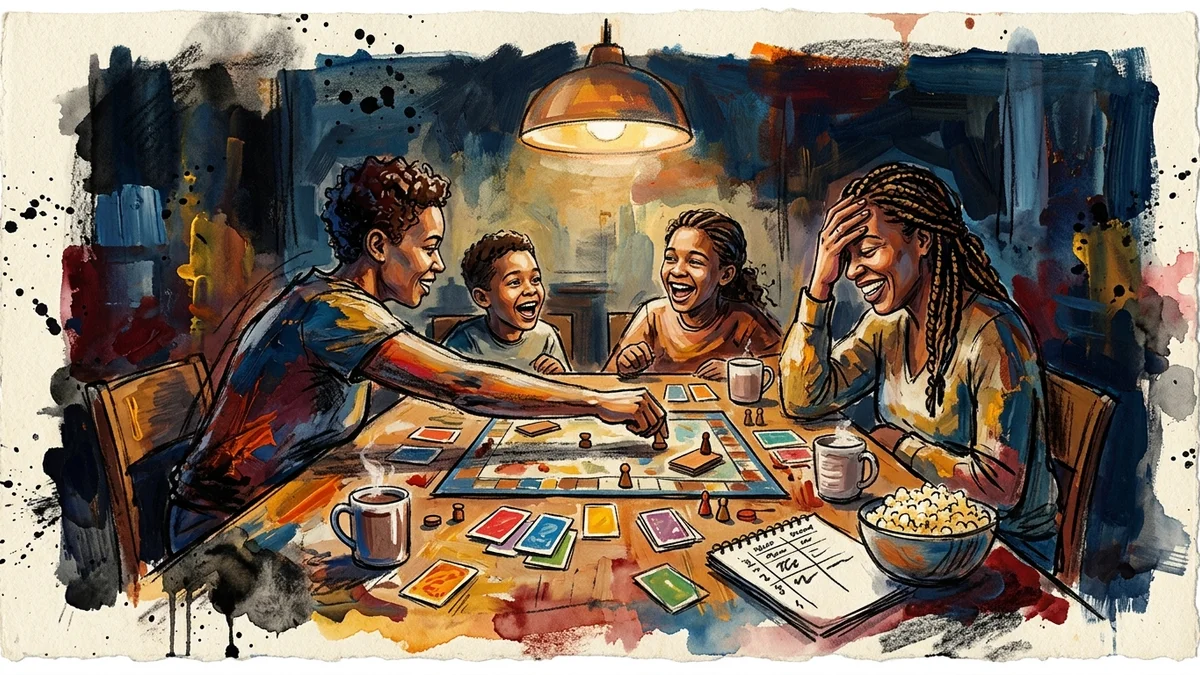
Research shows family game nights reduce behavioural issues, sharpen academic skills, and build the kind of memories that last.

Move past the how-many-minutes debate and learn the four dimensions of healthy digital consumption for every age group.