
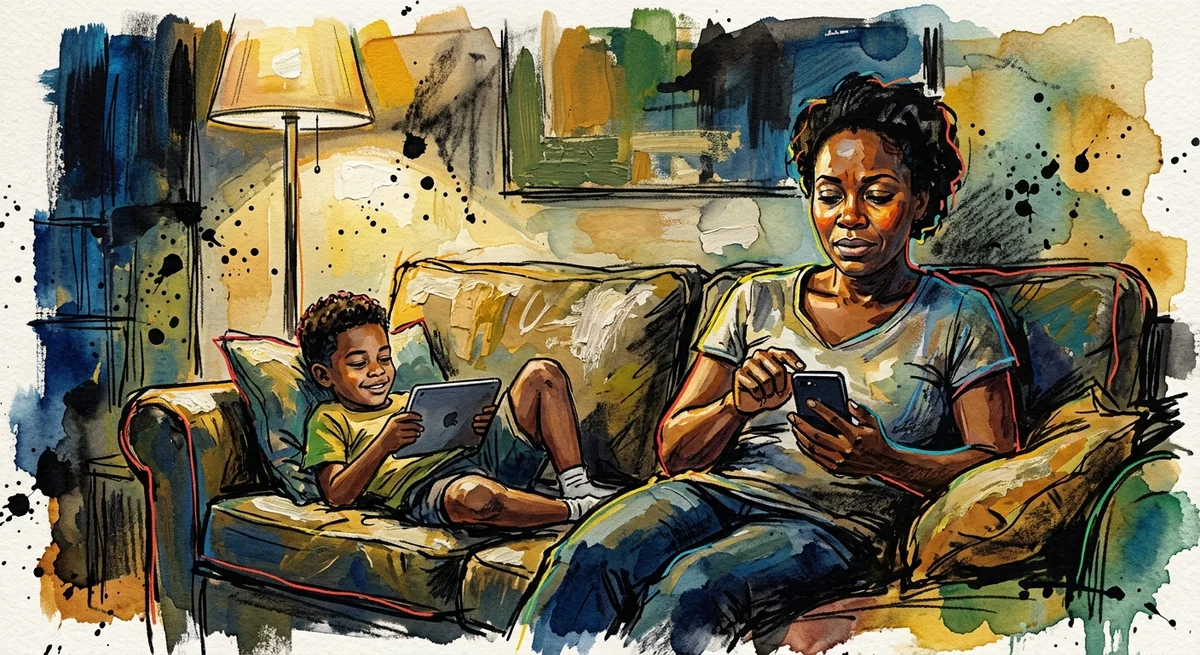
iOS 27 Time Allowances: A Calmer Way to Set Screen Limits
Category-level Time Allowances in iOS 27 let you set screen limits once and stop being the human timer.
Read More
screen time
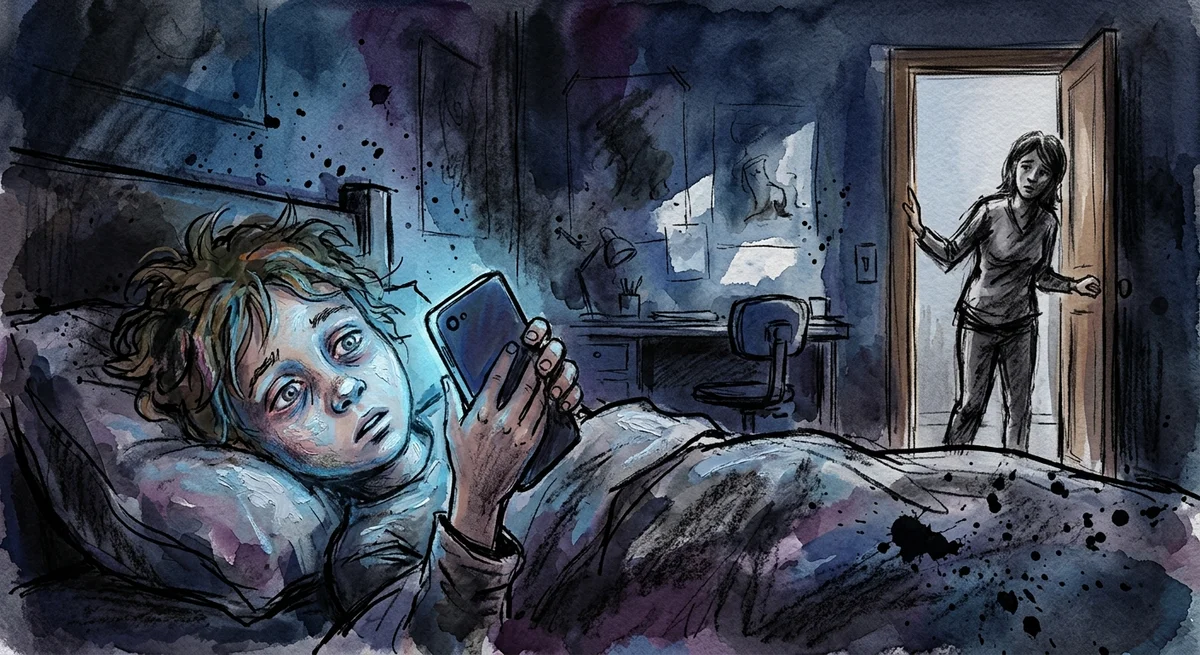
New 2026 research ties late-night screens to thinner sleep and lower mood in kids. Here is the calm, doable way to rebuild bedtime so it protects your child sleep.
You have probably had this thought at midnight. Is the phone in the next room quietly wrecking your kid's sleep? You are not imagining it, and you are not being paranoid. A wave of 2026 research has tightened the link between late-night screens, thin sleep, and low mood in kids, and the findings are hard to shrug off. The good news is that the fix does not mean throwing out every device. It starts with rebuilding one thing you already control: bedtime.
For years the screen-and-sleep conversation stayed vague. That has changed. Recent studies point to a two-part problem. First, the light itself. Screens held close to the face suppress melatonin, the hormone that tells the body it is time to wind down, so kids feel wired when they should feel sleepy. Second, and this is the part that caught a lot of researchers off guard, the content keeps the brain switched on. A group chat that pings. A video that autoplays into the next one. A game that ends on a cliffhanger. These do not just push bedtime later. They break sleep into pieces. Kids fall asleep later, wake more often, and get less of the deep sleep that resets their mood by morning.
That last part speaks to the fear so many parents sit with quietly. Poor sleep does not only make a child tired. It shortens their patience and turns the volume up on anxious thoughts. When researchers followed kids over time, the ones losing sleep to screens were more likely to show signs of low mood and worry. Sleep is not a side issue here. Most days, it is the thing everything else hangs on.
Consistent, sufficient sleep is one of the strongest protective factors for a child mood and daytime attention, and it is also one of the most modifiable.
Now for the hopeful part. You do not need a perfect house or an iron will. You need a routine that makes the healthy choice the easy one, and a few changes carry most of the weight.
Start with a screen curfew that lands about an hour before lights out. That hour gives melatonin room to rise and lets the brain downshift. Move the charging station out of the bedroom, ideally to the kitchen or a hallway, so the phone is not within reach at 11pm. Swap the last scroll for something calmer, like a book, a shower, or a few quiet minutes talking about the day. Keep the timing steady, even on weekends, because a sleep schedule that swings wildly is almost as hard on a kid as a late one.
None of this works if it lives only in your head. A routine your child can see and predict is one they can actually follow, and that is where a shared family rhythm helps more than another rule ever will.
If you want to see calmer evenings in action, these walkthroughs of real family bedtime routines and the science behind healthy screen habits are a good place to start.
You will not fix sleep in one night, and you do not have to. Pick one change, and the screen curfew is a strong first move, then hold it steady for a week before adding the next. Small and steady wins here. Your child's sleep, and the calmer kid you get the next morning, is worth protecting.
Category-level Time Allowances in iOS 27 let you set screen limits once and stop being the human timer.

New 2026 research finds that how kids use screens predicts attention and mood better than how long they watch.
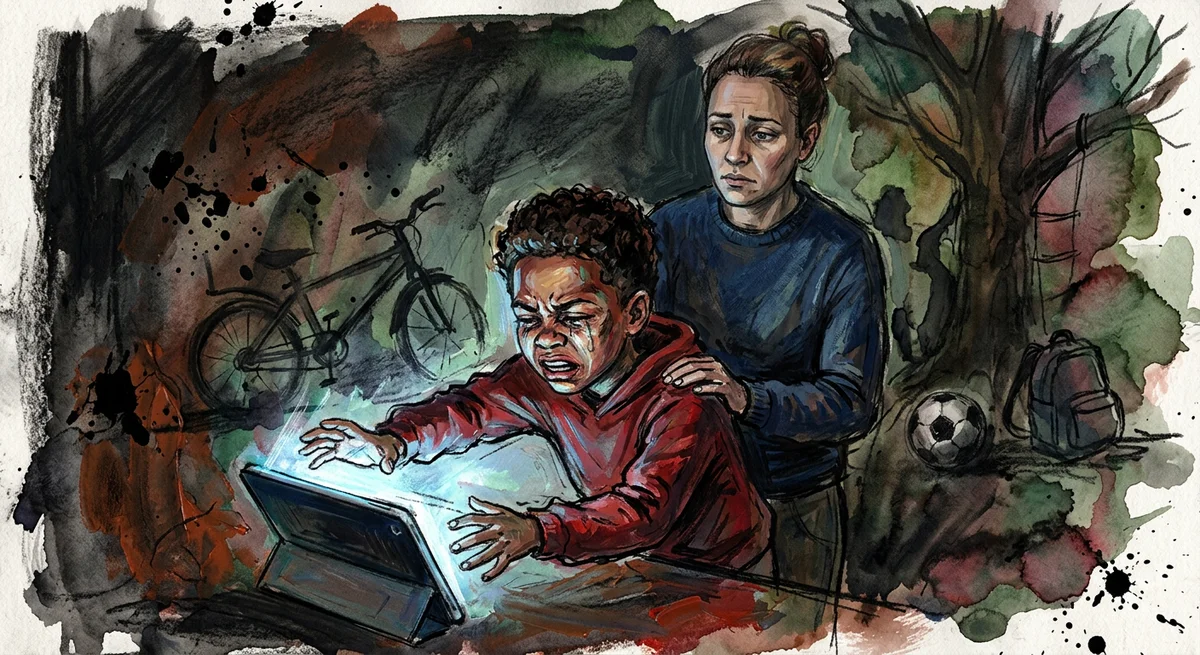
Screen rage is a sign of a hijacked dopamine system, and understanding the neuroscience makes the fix clear.